


Reverse Signs of Aging with Spa Treatments in 2026

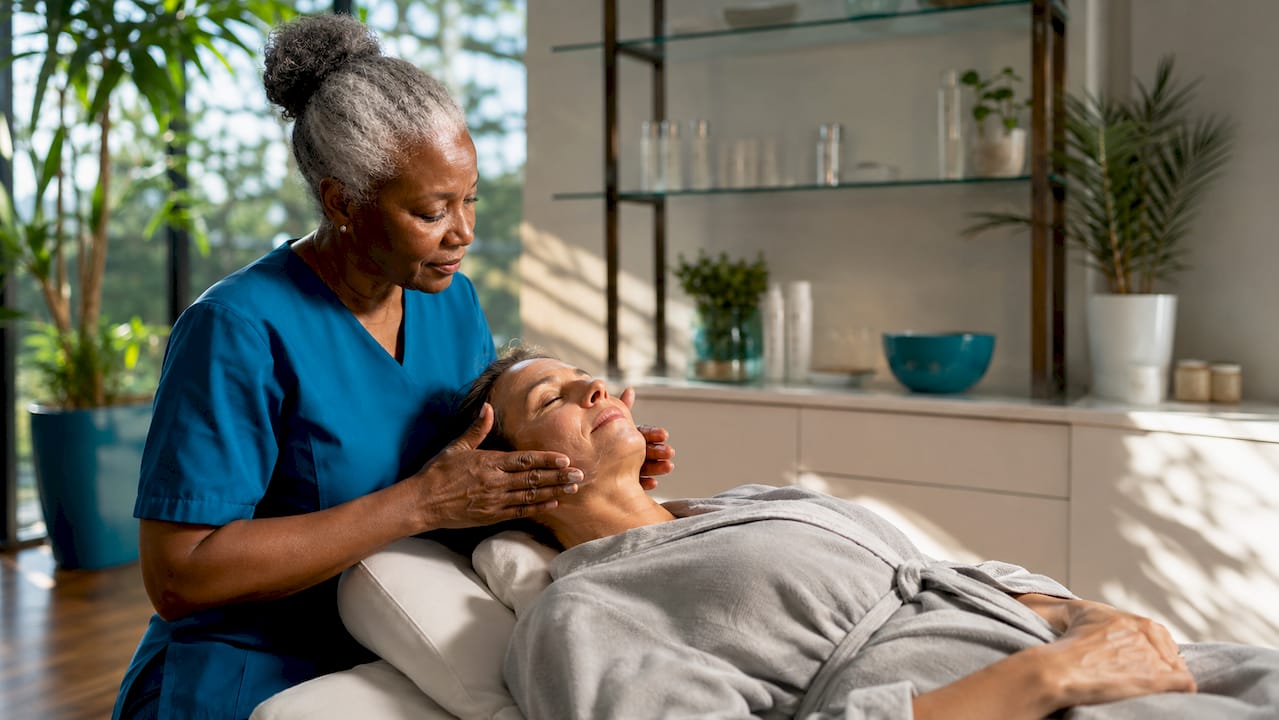
Reversing signs of aging with spa treatments means using clinically supported therapies, including RF microneedling, chemical peels, and hydrating facials, to stimulate collagen production, improve skin texture, and restore a more youthful appearance. These are not passive relaxation services. The best anti-aging spa therapies work at the cellular level, triggering the skin’s own repair mechanisms to produce measurable results. This guide covers which treatments are backed by evidence, how to prepare your skin, what to expect during and after each session, and how to compare your options so you invest in what actually works for your skin type and goals.
Which spa treatments are proven to reverse signs of aging effectively?
Skin rejuvenation, the recognized clinical term for what most people call “reversing aging,” describes procedures that restore dermal structure, improve surface texture, and correct pigmentation. The most effective anti-aging spa therapies share one thing: they trigger a controlled wound response that forces the skin to rebuild itself.
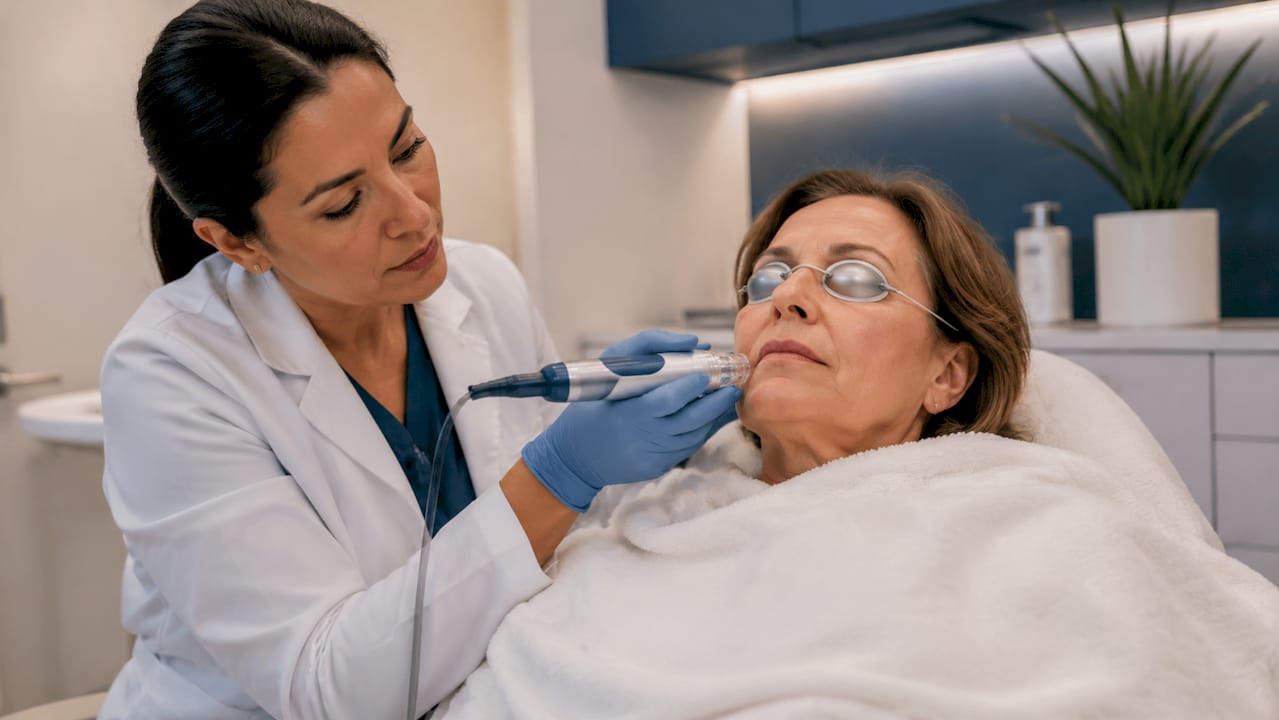
RF microneedling is the strongest evidence-backed option available at medical spas today. RF microneedling stimulates dermal collagen and elastin production through combined mechanical and thermal effects, improving skin texture and tightening with minimal downtime compared to ablative laser methods. In a retrospective study of 29 patients treated for melasma, 89.7% showed stable or improved pigmentation scores, with mild transient redness as the main side effect. That level of safety and consistency is rare in aesthetic medicine.
Chemical peels accelerate cell turnover by dissolving the outermost layers of skin with acids such as glycolic, lactic, or trichloroacetic acid (TCA). Superficial peels address fine lines and uneven tone. Medium-depth peels reach the papillary dermis and produce more significant texture correction. The key variable is concentration and pH, not the brand name on the bottle.
Hydrating facials and moisturizing wraps work differently. They do not remodel tissue. Instead, they restore the skin barrier, reduce transepidermal water loss, and temporarily plump fine lines by flooding the skin with humectants and occlusives. These treatments are most valuable as maintenance between more intensive procedures, or as preparation before a peel or microneedling session.
Lymphatic drainage massage improves circulation, reduces puffiness, and supports skin tone by moving stagnant fluid away from facial tissues. The effect on deep wrinkles is minimal, but the improvement in skin clarity and firmness is visible and immediate, making it a strong complement to other spa facials for youthful skin.
RF microneedling: collagen and elastin remodeling, texture, pigmentation
Chemical peels: cell turnover, tone correction, fine line reduction
Hydrating facials: barrier support, plumping, maintenance
Lymphatic massage: circulation, puffiness, skin clarity
Pro Tip: Not every treatment marketed as “anti-aging” has controlled clinical evidence behind it. Some spa protocols lack scientific data despite bold marketing claims. Ask your provider for the specific device name, the clinical studies behind it, and realistic outcome timelines before you book.
How to choose and prepare for spa anti-aging treatments
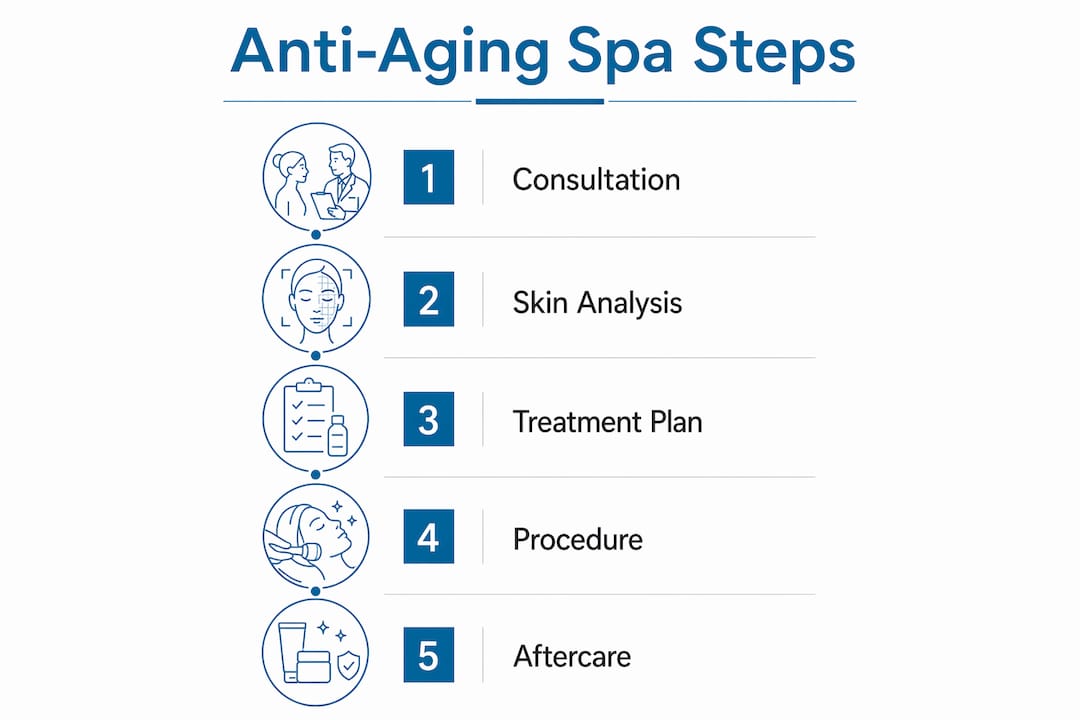
Choosing the right treatment starts with an honest assessment of your skin type, your primary concerns, and your tolerance for downtime. A 45-year-old with fair skin and fine lines has different needs than a 38-year-old with medium skin tone dealing with melasma. Matching the treatment to the skin is the single biggest factor in whether you get results or complications.
The FDA draws a clear line between cosmetics and drugs. The FDA classifies products that claim to affect skin structure or function as drugs, not cosmetics. This means any spa claiming their treatment “reverses aging at the cellular level” or “prevents skin disease” is making a therapeutic promise that requires regulatory scrutiny. Understanding this distinction protects you from overpromising providers and helps you ask better questions.
Before your first appointment, follow these preparation steps:
Stop retinoids and exfoliating acids at least five to seven days before any energy-based or chemical treatment. These ingredients thin the skin barrier and increase sensitivity.
Avoid prolonged sun exposure for two weeks before your session. Tanned or sunburned skin is more prone to post-inflammatory hyperpigmentation, especially with peels and microneedling.
Disclose all medications to your provider, including blood thinners, antibiotics, and hormonal treatments. Several common medications increase photosensitivity or bruising risk.
Consult a licensed professional, not just a receptionist. A qualified esthetician or medical provider should assess your skin in person before recommending any procedure.
Review the facility’s safety standards. Luxveritae recommends checking your provider against a medical spa safety checklist before committing to any treatment plan.
“The sequence and spacing of spa treatments matter as much as the treatments themselves. Rushing back for another session before the skin barrier has recovered increases the risk of post-inflammatory hyperpigmentation, particularly for medium to deeper skin tones.” — IAPAM Expert Consensus
Skin of color requires extra attention. Darker skin tones carry a higher risk of hyperpigmentation from heat-based and chemical treatments. Providers experienced with diverse skin types will adjust device parameters, acid concentrations, and aftercare protocols accordingly.
What to expect during and after popular anti-aging treatments
Understanding the session-by-session process removes the anxiety and sets you up to protect your results. Here is what a standard treatment arc looks like for the three most common procedures.
RF microneedling session: Your provider applies a topical numbing cream for 30 to 45 minutes. The device delivers fine needles into the dermis while emitting radiofrequency energy at controlled depths. The session takes 30 to 60 minutes. Redness and mild swelling are normal for 24 to 72 hours. Most clients need three to four sessions spaced four to six weeks apart for optimal collagen remodeling. When combined with biostimulators like poly-L-lactic acid (PLLA), fractional RF plus PLLA delivers significantly better texture improvements than RF microneedling alone, with effects sustained over six months.
Chemical peel session: The provider cleanses your skin, applies the acid solution, monitors timing, and neutralizes or removes it. You may feel warmth or tingling. Superficial peels cause light flaking for two to three days. Medium-depth peels produce visible peeling for five to seven days. Avoid picking at any flaking skin. It is a barrier, not a flaw.
Hydrating facial session: Cleansing, exfoliation, extractions if needed, a mask, and a finishing serum. No downtime. You leave with a visible glow and improved hydration levels that last three to seven days.
Post-treatment aftercare protocol:
Days 1 to 7: Use only barrier-supporting ingredients. Prioritize ceramides, hyaluronic acid, niacinamide, and panthenol. These rebuild the skin barrier without triggering inflammation.
Avoid retinoids and exfoliating acids for at least seven days post-procedure. Reintroduce them only after the barrier has fully recovered.
Apply broad-spectrum SPF 30 or higher every morning without exception. UV exposure after any resurfacing treatment accelerates pigmentation and reverses your results.
Skip makeup for 24 hours after microneedling or medium-depth peels. Proper hygiene post-treatment reduces infection risk and supports optimal recovery.
Avoid heat exposure including saunas, hot showers, and intense exercise for 48 hours after energy-based treatments.
Pro Tip: Niacinamide is rated appropriate for both the treatment and aftercare phases by expert consensus, particularly for skin of color. It manages pigment risk and supports barrier function simultaneously, making it one of the most versatile post-procedure ingredients available.
Ingredient | Role in aftercare | When to start |
Ceramides | Barrier repair, moisture retention | Day 1 |
Hyaluronic acid | Hydration, plumping | Day 1 |
Niacinamide | Anti-inflammatory, pigment control | Day 1 |
Panthenol | Soothing, barrier support | Day 1 |
Retinoids | Cell turnover, collagen support | Day 8 or later |
Comparing spa treatments for aging: benefits, downtime, and results
Not every treatment fits every schedule or budget. This comparison gives you a clear picture of what each modality delivers and what it costs you in time and money.
Treatment | Primary benefit | Downtime | Sessions needed | Evidence strength |
RF microneedling | Collagen remodeling, texture, pigmentation | 1 to 3 days | 3 to 4 | Strong clinical evidence |
Chemical peel | Cell turnover, tone, fine lines | 2 to 7 days | 1 to 3 | Strong clinical evidence |
Hydrating facial | Barrier support, glow, maintenance | None | Monthly | Moderate, best as maintenance |
Lymphatic massage | Puffiness, circulation, clarity | None | Weekly or monthly | Moderate, supportive role |
RF + PLLA combo | Deep remodeling, volume, texture | 2 to 4 days | 2 to 3 | Emerging, strong early data |
A few practical points worth knowing before you decide:
RF microneedling is the best investment for long-term structural improvement, but it requires the most preparation and aftercare discipline.
Chemical peels offer faster visible results at lower cost per session, but the risk of hyperpigmentation is higher for darker skin tones without an experienced provider.
Hydrating facials and lymphatic massage produce no lasting structural change on their own. They are support tools, not primary treatments.
The benefits of non-surgical treatments extend beyond aesthetics. Consistent skin health maintenance reduces the need for more aggressive interventions later.
When asking about RF microneedling specifically, inquire about device specifics including whether the device is fractional or non-fractional, the depth settings used, and the cooling system in place. These parameters directly affect both safety and results.
Key takeaways
The most effective way to reverse signs of aging with spa treatments is to combine evidence-backed procedures like RF microneedling and chemical peels with disciplined post-treatment barrier care and consistent sun protection.
Point | Details |
RF microneedling leads on evidence | It stimulates collagen and elastin with strong clinical backing and minimal downtime. |
Aftercare determines your results | Ceramides, hyaluronic acid, and niacinamide in days 1 to 7 protect and extend your investment. |
Skin type shapes treatment choice | Darker skin tones need adjusted protocols to avoid post-inflammatory hyperpigmentation. |
Hydrating facials are maintenance, not treatment | Use them between intensive sessions to support the barrier, not as a standalone anti-aging solution. |
Combination therapies outperform single sessions | RF plus PLLA delivers sustained improvements over six months that RF alone cannot match. |
What I’ve learned about realistic anti-aging results at the spa
After working with clients across a wide range of skin types and ages, the single biggest mistake I see is expecting one session to undo years of sun damage and collagen loss. That expectation sets people up for disappointment and leads them to abandon treatments that would have worked with consistency.
The clients who get the best results share three habits. They commit to a treatment series, not a single appointment. They follow aftercare protocols without shortcuts. And they pair their spa sessions with a home routine that includes SPF, a barrier-supporting moisturizer, and a retinoid reintroduced at the right time.
What I find genuinely underrated is the role of skin rejuvenation as an ongoing practice rather than a one-time fix. The skin is a living organ. It responds to consistent, intelligent care far better than to aggressive one-off treatments. A medium-depth peel followed by three months of neglect will not outperform a series of superficial peels paired with a solid home routine.
I am also direct with clients about the limits of spa treatments. No spa facial reverses deep structural volume loss or repositions descended facial fat. For those concerns, you need a medical provider. What spa treatments do exceptionally well is improve texture, tone, hydration, and surface-level fine lines. Those improvements are real, measurable, and worth pursuing. Just know what you are buying.
— Lux
Experience anti-aging treatments tailored to your skin at Luxveritae
Luxveritae offers a curated menu of anti-aging spa therapies designed for adults who want real results, not just a relaxing hour. From RF microneedling and customized chemical peels to the signature BB Glow facial that delivers an immediate brightening effect, every treatment is matched to your skin type, tone, and goals by a certified professional.
Whether you are addressing fine lines, uneven pigmentation, or loss of firmness, Luxveritae builds a treatment plan around your skin, not a generic protocol. Explore the full range of anti-aging treatment packages and book your personalized skin assessment online. Your skin’s best results start with the right plan, applied consistently by someone who knows what they are doing.
FAQ
What spa treatment is most effective for reducing wrinkles?
RF microneedling is the most evidence-backed spa treatment for reducing wrinkles, as it stimulates collagen and elastin through combined mechanical and thermal effects. A series of three to four sessions produces measurable texture and firmness improvements.
How long does it take to see results from anti-aging spa treatments?
Most clients see initial improvements within two to four weeks after RF microneedling or a medium-depth chemical peel, with full results visible after completing a treatment series. Collagen remodeling continues for up to six months post-treatment.
Are spa anti-aging treatments safe for darker skin tones?
Yes, with the right provider and adjusted protocols. Niacinamide-based aftercare and lower-intensity device settings reduce the risk of post-inflammatory hyperpigmentation, which is the primary concern for medium to deeper skin tones.
How often should you get anti-aging spa treatments?
RF microneedling sessions are typically spaced four to six weeks apart for a series of three to four treatments, then repeated once or twice a year for maintenance. Hydrating facials can be done monthly as ongoing skin health support.
Can you combine different spa anti-aging treatments?
Yes, and combinations often outperform single modalities. RF microneedling combined with PLLA delivers significantly better texture results than RF alone, with effects sustained over six months. Always allow full barrier recovery between sessions before layering treatments.
Recommended
Comments