


Skin types treatment checklist: build your best routine

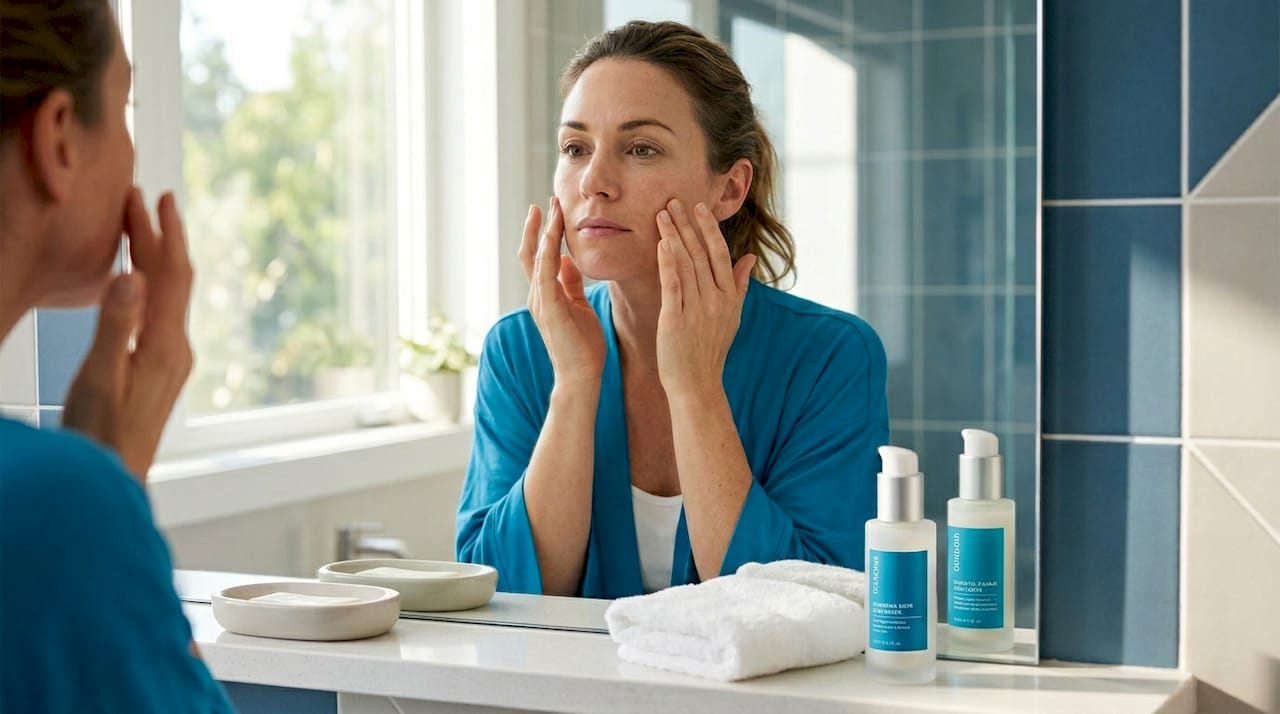
Most people pick skincare products based on guesswork, a friend’s recommendation, or whatever’s trending. That’s exactly why so many end up with breakouts from the wrong moisturizer, or stubborn discoloration that never fades despite months of effort. A proper skin types treatment checklist changes that. It gives you a structured way to identify your baseline skin type, match treatments to your specific concerns like acne scars, hyperpigmentation, and aging, and build a routine that actually works. This guide walks you through every step, from self-assessment to procedure selection, so nothing is left to chance.
Table of Contents
How to identify your skin type: the first step in your treatment checklist
Comprehensive acne scar treatment checklist: controlling active acne and beyond
Targeted strategies for hyperpigmentation and melasma: checklist for effective pigment control
Comparing your treatment options: building the ultimate skin types treatment checklist
Why a rigid treatment checklist often fails and what truly works
Key Takeaways
Point | Details |
Identify skin type correctly | Use a bare-face method for 30 minutes post-cleansing to observe skin baseline behavior before choosing treatments. |
Protect your skin daily | Apply broad-spectrum, SPF 30+ sunscreen every two hours outdoors to prevent damage and pigment issues. |
Manage scars in stages | Control active acne first, then use procedures like chemical peels and microneedling for scar improvement. |
Moisturize immediately | For dry skin, moisturize promptly after showering to lock in hydration and avoid excessive exfoliation. |
Personalize and be patient | Tailor your routine to skin response and consistency; visible results require time and regular care. |
How to identify your skin type: the first step in your treatment checklist
Before you spend a dollar on serums or book a single treatment, you need an honest read on your skin. Not what it feels like after a hot shower or a stressful week, but its true, resting baseline.
The most reliable at-home skin type test you can do costs nothing. Wash your face with a gentle, non-stripping cleanser, then leave your skin completely bare. No toner, no serum, no moisturizer. Wait 30 minutes. What you observe tells you everything. This skin type identification method is one of the most commonly recommended by skin professionals because it removes all product influence and lets your skin show its natural behavior.
Here’s what to look for after those 30 minutes:
Dry skin: Skin feels tight, looks dull, and may show flaky or rough patches around the cheeks or forehead
Oily skin: Visible shine across the entire face, including cheeks, with pores that appear enlarged
Combination skin: Oiliness concentrated in the T-zone (forehead, nose, chin) while cheeks remain normal or slightly dry
Sensitive skin: Redness, itching, or a burning sensation, especially after product contact or temperature changes
Normal skin: Balanced, comfortable, no major shine or tightness, minimal visible pores
Why does this matter so much? Because the wrong classification leads to the wrong products. Oily skin treated with heavy creams gets worse. Dry skin treated with alcohol-based toners loses more moisture. Combination skin treated as one uniform type gets uneven results.
Pro Tip: Do this test on a day when you haven’t worn makeup or applied heavy products the night before. Residue from overnight treatments can skew your reading.
Knowing your skin type is the foundation of every decision that follows in your skin care routine guide. It determines your cleanser strength, your moisturizer texture, your exfoliation frequency, and which active ingredients your skin can actually tolerate.
Effective treatment checklist for dry and sensitive skin
Dry skin is not just a cosmetic inconvenience. It signals a compromised skin barrier, which means your skin is losing moisture faster than it can retain it. Left unmanaged, that leads to increased sensitivity, accelerated fine lines, and a higher risk of irritation from active treatments.
The dry skin management tips recommended by dermatologists are specific and practical. Shorter, cooler showers, moisturizing immediately after washing, and avoiding fragrance-laden products are the core pillars of any treatment for dry skin. Here’s the full checklist:
Keep showers between 5 and 10 minutes using lukewarm water, never hot
Apply moisturizer within two minutes of stepping out of the shower, while skin is still slightly damp
Choose moisturizer choices for dry skin that are fragrance-free and contain ingredients like ceramides, hyaluronic acid, or shea butter
Limit exfoliation to once or twice per week maximum, using gentle chemical exfoliants like lactic acid rather than physical scrubs
Run a humidifier indoors set to 30 to 50% humidity, especially during winter months when indoor heating strips moisture from the air
Scale back any drying actives like retinoids or benzoyl peroxide during colder months when your barrier is already under stress
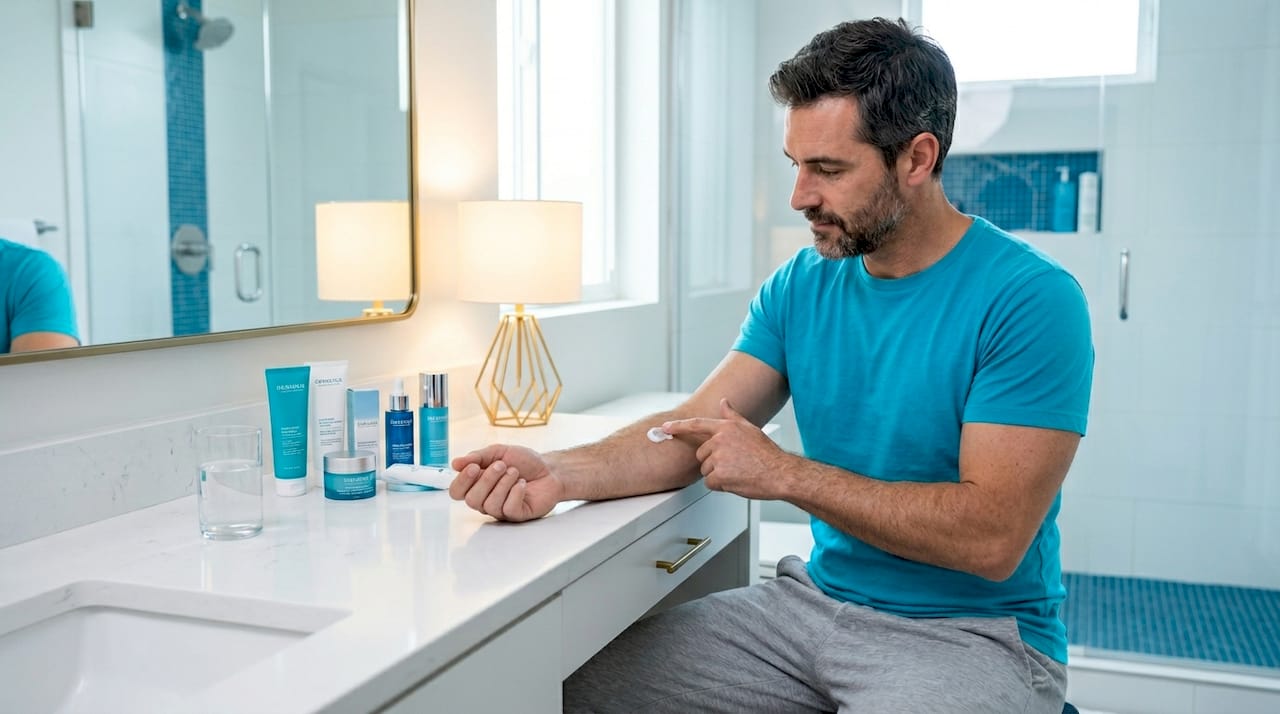
Sensitive skin care follows many of the same rules but adds one more layer of caution: patch testing. Every new product goes on a small area of your inner arm or jawline for 48 hours before you apply it to your full face. This single habit prevents the kind of full-face reactions that set your routine back by weeks.
Pro Tip: If your skin stings when you apply plain water, that’s a red flag your barrier is severely compromised. Pause all actives and focus exclusively on barrier repair with gentle cleansers and ceramide-rich moisturizers for at least two weeks before reintroducing anything else.
Seasonal adjustment is not optional for dry and sensitive skin. What works in July will likely over-dry you in January. Build that flexibility into your checklist from the start.
Comprehensive acne scar treatment checklist: controlling active acne and beyond
Acne scars are one of the most emotionally frustrating skin concerns because the damage happens beneath the surface, often long before you realize it. The good news is that effective treatment exists for nearly every scar type. The catch is that you have to work through the process in the right order.
Dermatologist-recommended scar care always starts with one non-negotiable first step: control active acne before treating existing scars. Trying to resurface skin that’s still breaking out is like painting over a wall that’s still wet.
Stage 1: Stop new scars from forming
Introduce a topical retinoid (like tretinoin or adapalene) to accelerate cell turnover and reduce inflammation
Use benzoyl peroxide (2.5 to 5%) to kill acne-causing bacteria without excessive irritation
Avoid picking or squeezing, which deepens scarring and spreads bacteria
Stage 2: Target existing scars with the right procedure
Treatment | Best for | Sessions needed | Downtime |
Chemical peels | Surface discoloration, mild rolling scars | 3 to 6 | Up to 7 days peeling |
Microneedling | Atrophic (sunken) scars, texture | 4 to 6 | 1 to 3 days redness |
Laser resurfacing | Deep scars, uneven tone | 3 to 5 | 5 to 14 days depending on depth |
Subcision | Tethered, bound-down scars | 1 to 3 | Minimal bruising |
Fillers | Isolated deep scars | 1 to 2 (with maintenance) | Minimal |
Steroid injections | Raised keloid or hypertrophic scars | 3 to 6 | None |
Explore your acne scar treatment options and consider scar camouflage as a complementary approach for scars that resist procedural treatment. Camouflage tattooing can neutralize discoloration while your skin continues to heal underneath.
Patience is not optional here. Most scar treatments require multiple sessions spaced weeks apart, and final results can take six months to a year to fully appear.
Targeted strategies for hyperpigmentation and melasma: checklist for effective pigment control
Hyperpigmentation and melasma are among the most stubborn skin concerns because they are driven by multiple triggers simultaneously: UV exposure, hormonal shifts, heat, and inflammation. Treating one without addressing the others leads to results that fade within weeks.
The single most important step in any pigmentation checklist is photoprotection. Broad-spectrum photoprotection covering UVB, longwave UVA, and visible light is essential for managing melasma and hyperpigmentation. Reapply every two hours when outdoors. This is not negotiable.
Here’s the full checklist for managing pigmentation:
Use a broad-spectrum, water-resistant SPF 30 or higher every morning, rain or shine
Choose tinted sunscreens containing iron oxide, which block visible light, a key driver of melasma that standard sunscreens miss
Apply topical brightening agents consistently: azelaic acid (gentle and safe for most skin types), niacinamide (reduces melanin transfer), thiamidol (emerging evidence for efficacy), or hydroquinone (most potent, use under professional guidance)
Consider combination topical therapy for faster results, such as pairing niacinamide with a retinoid
Use pigmentation treatment options for body areas like the inner thighs, underarms, and intimate zones where pigmentation is common but often overlooked
Treatment tier | Options | Expected timeline |
First-line | SPF, topical brighteners | 8 to 12 weeks for visible change |
Second-line | Chemical peels, IPL, laser | 3 to 6 sessions over 3 to 6 months |
Maintenance | Continued SPF, low-dose topicals | Ongoing to prevent recurrence |
Avoid anything that causes skin irritation during active pigmentation treatment. Inflammation triggers melanin production, which means a reaction to an aggressive peel can actually worsen the discoloration you’re trying to fix. Ready to start? Schedule pigment correction treatments with a professional who can assess your specific pigment pattern before selecting a protocol.
Comparing your treatment options: building the ultimate skin types treatment checklist
A practical skin types treatment checklist separates two distinct layers: baseline skin barrier care and concern-specific active treatments. Mixing these up is one of the most common mistakes people make. They reach for a scar treatment before their barrier is stable, or they skip SPF while using a brightening serum and wonder why nothing works.
“Consistency beats complexity. Gentle, repeated care over time delivers lasting skin health.” This principle, echoed by dermatologists across specialties, is the single most underrated truth in skincare.
Baseline care for every skin type:
Gentle cleanser morning and night (matched to your skin type)
Moisturizer appropriate for your skin’s texture needs
Broad-spectrum SPF every morning without exception
Concern-specific active treatments:
Concern | Treatment options | Sessions or timeline | Key risk |
Acne scars | Microneedling, peels, laser, subcision | 4 to 6 sessions | Post-inflammatory hyperpigmentation |
Hyperpigmentation | Topicals, peels, IPL | 8 to 16 weeks | Rebound if SPF is skipped |
Aging and fine lines | Retinoids, laser, microneedling | Ongoing | Irritation, dryness |
Dry skin | Ceramide moisturizers, humidifier, gentle actives | Immediate to 4 weeks | Over-exfoliation |
A practical checklist framework always flags the same pitfalls: over-exfoliation, delayed moisturizer application, and introducing too many actives at once. Introduce one new product at a time and give it a full four weeks before judging results. Skin turnover takes roughly 28 days, and anything less is not a fair trial.
Pro Tip: Keep a simple skin journal. Note what you applied, when, and how your skin responded. After six weeks, patterns emerge that tell you more than any quiz or chart.
Book professional skincare consultations when you’re unsure which tier of treatment your concern requires. A trained professional can assess your skin in person and build a sequenced plan that removes the guesswork entirely.
Why a rigid treatment checklist often fails and what truly works
Here’s what most skincare content won’t tell you: a checklist is only as good as the person using it, and rigid adherence to any fixed routine often backfires.
Skin is not static. It changes with your hormones, your stress levels, the season, your diet, and your environment. A routine that worked perfectly last spring may be completely wrong for you this winter. The people who get the best long-term results are not the ones following the most detailed checklist. They’re the ones who treat their checklist as a living document, not a fixed prescription.
The biggest mistake we see is people abandoning a treatment after two or three weeks because they don’t see dramatic results. Visible improvements from treatments like retinoids or brightening serums typically take eight to twelve weeks of consistent use. Procedural results from microneedling or chemical peels often take three to six months to fully develop. Expecting a two-week turnaround is not impatience, it’s a misunderstanding of how skin biology works.
Personalization also means knowing when to pull back. If your skin is reacting, flaking excessively, or becoming more sensitive, that’s not a sign to push through. It’s a signal to reduce frequency, swap to gentler formulations, or pause actives entirely and rebuild your barrier. Dermatologists consistently prioritize barrier protection over aggressive treatment, and that philosophy is worth adopting.
Reassess your skin every four to six weeks. Take a photo in consistent lighting, note your current concerns, and ask yourself whether your routine still matches what your skin is doing right now. Explore customized treatment plans if you find your at-home routine has hit a ceiling and your concerns need professional-level intervention.
The best skin care routine guide is the one that adapts with you, not the one that looks most impressive on paper.
Explore personalized treatments with Lux Veritae Skin Spa
Your skin concerns deserve more than a generic routine. At Lux Veritae Skin Spa, every client starts with a personalized consultation designed to assess your skin type, identify your primary concerns, and build a treatment plan that fits your lifestyle and goals.
Whether you’re managing acne scars, persistent discoloration, or the early signs of aging, our treatment packages include chemical peels, microneedling, laser therapies, and specialized pigmentation treatments. We also offer scar camouflage services using certified paramedical tattooing techniques that blend seamlessly with your natural skin tone. Booking is simple. Book a consultation online today and take the first step toward a routine that’s built specifically for you, not borrowed from someone else.
Frequently asked questions
What is the best way to determine my skin type at home?
Cleanse your face, leave it completely bare for 30 minutes without applying any products, then observe whether your skin feels tight, oily, or shows oiliness only in the T-zone. This bare-face self-check is one of the most reliable at-home methods recommended by skin professionals.
How often should I apply sunscreen to protect against hyperpigmentation?
Apply a broad-spectrum, water-resistant SPF 30 or higher every morning, and reapply every two hours when outdoors. Reapplication during outdoor exposure is essential for managing both melasma and general hyperpigmentation effectively.
Can acne scars be treated while active acne is still present?
No. Controlling active acne first is the standard recommendation before starting any scar-specific treatment like chemical peels or microneedling, because treating scars on actively breaking-out skin reduces effectiveness and risks new scarring.
What are safe exfoliation practices for dry and sensitive skin?
Limit exfoliation to once or twice per week using gentle chemical exfoliants, and always follow with a moisturizer. Over-exfoliation worsens moisture loss and is one of the most common barriers to improvement in dry and sensitive skin care.
Recommended
Comments