


How to Treat Hyperpigmentation at a Spa Effectively

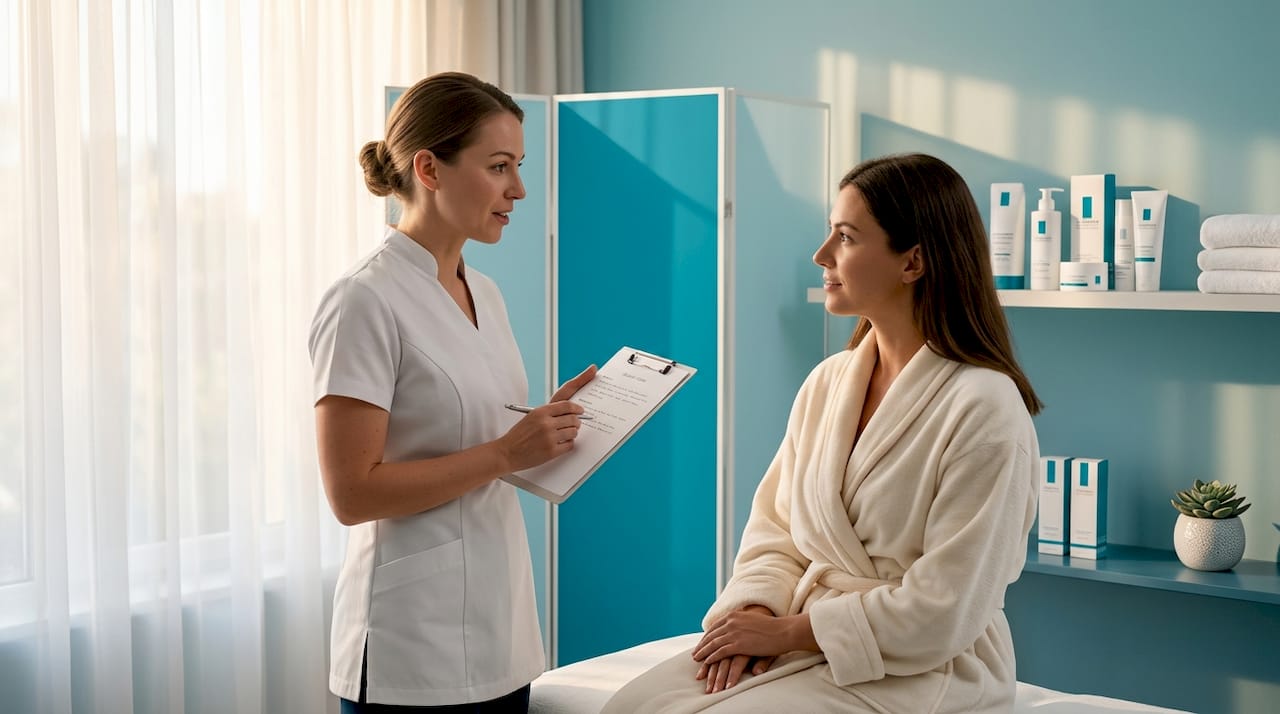
Dark spots, uneven skin tone, and stubborn patches of discoloration can feel impossible to shift on your own. If you’ve cycled through every brightening serum on the shelf with minimal results, the issue likely isn’t your skincare routine. It’s the depth of the pigmentation. Professional spa treatments reach levels that over-the-counter products simply cannot, and the ability to treat hyperpigmentation at a spa with a customized, clinically informed plan is what separates temporary improvement from real, lasting change.
Table of Contents
Key takeaways
Point | Details |
Diagnosis shapes treatment | Melasma, PIH, and sun spots each require a different spa approach to get safe, effective results. |
Priming skin matters | Topical agents like tranexamic acid before procedures lower PIH risk and improve outcomes significantly. |
Sunscreen is non-negotiable | Broad-spectrum, tinted sunscreens block UVA, UVB, and visible light to prevent pigmentation from returning. |
Combination beats single treatments | Pairing procedures like IPL with topical therapy produces measurably better results than either alone. |
Aftercare determines longevity | Consistent photoprotection and maintenance treatments are what keep results from fading over months. |
How a spa treats hyperpigmentation based on type
Not all dark spots come from the same place, and that distinction matters enormously when selecting the right treatment. A professional spa consultation should always begin with identifying which type of hyperpigmentation you’re dealing with, because the wrong approach can deepen discoloration rather than fade it.
The three most common types you’ll encounter:
Melasma: A chronic, hormonally influenced condition that produces brown or gray-brown patches, most often on the cheeks, forehead, and upper lip. It tends to relapse and requires long-term management rather than a single-fix solution.
Post-inflammatory hyperpigmentation (PIH): This follows skin trauma or inflammation, such as acne, a rash, or a procedure that irritates the skin. PIH is typically more responsive to treatment, but it can be stubborn in deeper skin tones.
Sun spots (solar lentigines): Discrete flat spots caused by cumulative UV exposure, usually appearing on the face, hands, and shoulders. These often respond well to targeted energy-based treatments.
Why this matters at the spa level: treatment must be individualized based on disorder type and skin tone to reduce PIH risk and keep your skin safe. A skilled esthetician or skin therapist will use tools like a Wood’s lamp, which reveals the depth of pigment under different light spectrums, alongside a thorough skin history to guide the treatment plan.
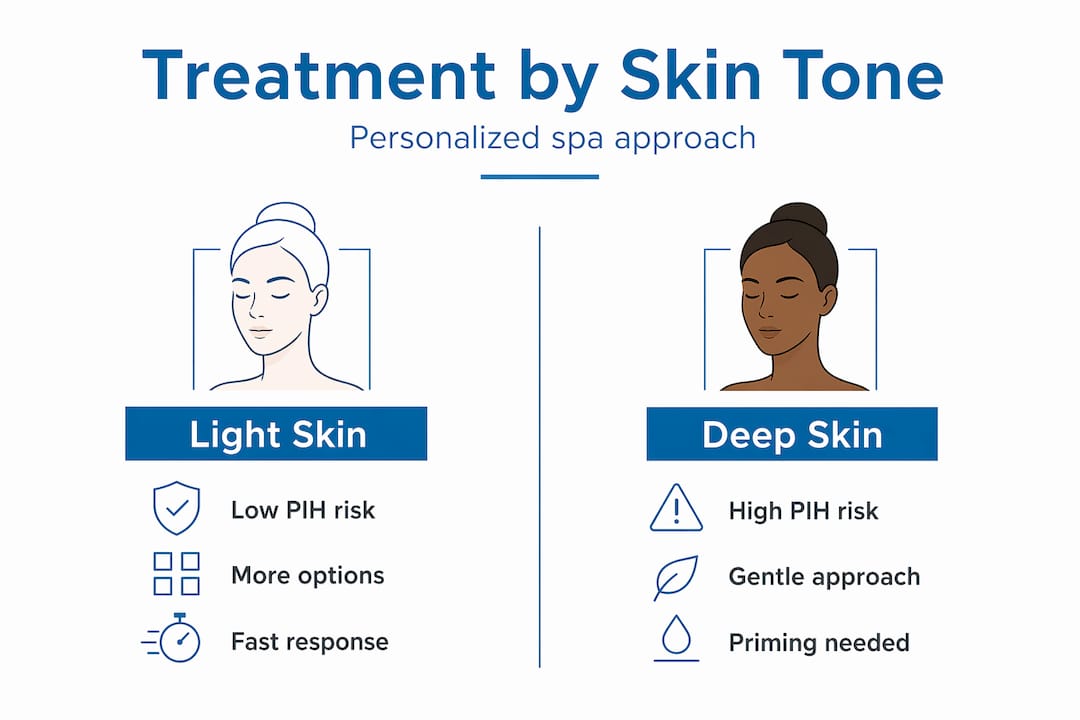
Skin tone adds another layer of complexity. PIH risk from energy-based devices is highest in deeper skin tones, where aggressive treatments can cause the very discoloration you came in to fix. Understanding this upfront is what separates a great spa from one that applies a one-size approach to every client.
Preparing your skin before spa treatments
Showing up to a laser or peel appointment with unprepared skin is one of the most common reasons people don’t get the results they expected. Skin priming is a structured pre-treatment phase, typically two to four weeks before a procedure, that conditions your skin to respond better and reduces the chance of side effects.
Here’s what a solid preparation plan typically includes:
Lightening topicals: Ingredients like tranexamic acid, azelaic acid, or niacinamide help suppress melanin production ahead of treatment. Thiamidol 0.2% cream has also shown significant improvement for facial hyperpigmentation in randomized trials, making it a strong hydroquinone alternative for pre-treatment priming.
Strict photoprotection: Start wearing a broad-spectrum, tinted sunscreen daily before your first appointment. Tinted sunscreens with iron oxides are particularly important for melasma because they block visible light, which standard SPF formulas do not address.
Avoiding irritants: Retinoids, AHAs, and physical exfoliants should be paused roughly one week before any procedure to prevent excess inflammation going in.
Patch testing: Medical-grade products introduced during priming should be patch tested first, especially on sensitive or reactive skin types.
Pro Tip: Ask your spa therapist whether your skin type requires a longer priming window. Fitzpatrick skin types IV through VI often benefit from four to six weeks of topical preparation before chemical peels or laser therapy, not the standard two weeks.
Priming with lightening agents before peels and laser therapy is now a formal recommendation from global dermatology guidelines, not just a helpful suggestion. Skipping this step, particularly with energy-based treatments on darker skin, significantly raises the risk of making pigmentation worse after the procedure.
You can also read through this skin types treatment checklist to understand how your specific skin profile shapes the best pre-treatment routine for you.
Spa treatment options for hyperpigmentation
Once your skin is prepped and your pigmentation type is confirmed, the real work begins. There are several well-established spa treatment modalities, each with its own mechanism, benefits, and risk profile.
Treatment | Best for | Downtime | PIH risk | Notes |
Chemical peel (glycolic, lactic) | Melasma, PIH, sun spots | 3 to 7 days | Low to moderate | Combine with topicals for best results |
IPL (Intense Pulsed Light) | Sun spots, mild melasma | Minimal | Moderate in darker tones | Avoid in active melasma without caution |
Laser resurfacing | Deeper pigment, sun damage | 5 to 14 days | Higher in skin of color | Requires experienced operator |
Microneedling with RF | PIH, general tone improvement | 2 to 4 days | Low with proper settings | Stimulates collagen alongside pigment fading |
Brightening facials | All types, maintenance | None | Very low | Medical-grade serums enhance other treatments |
Chemical peels for dark spots
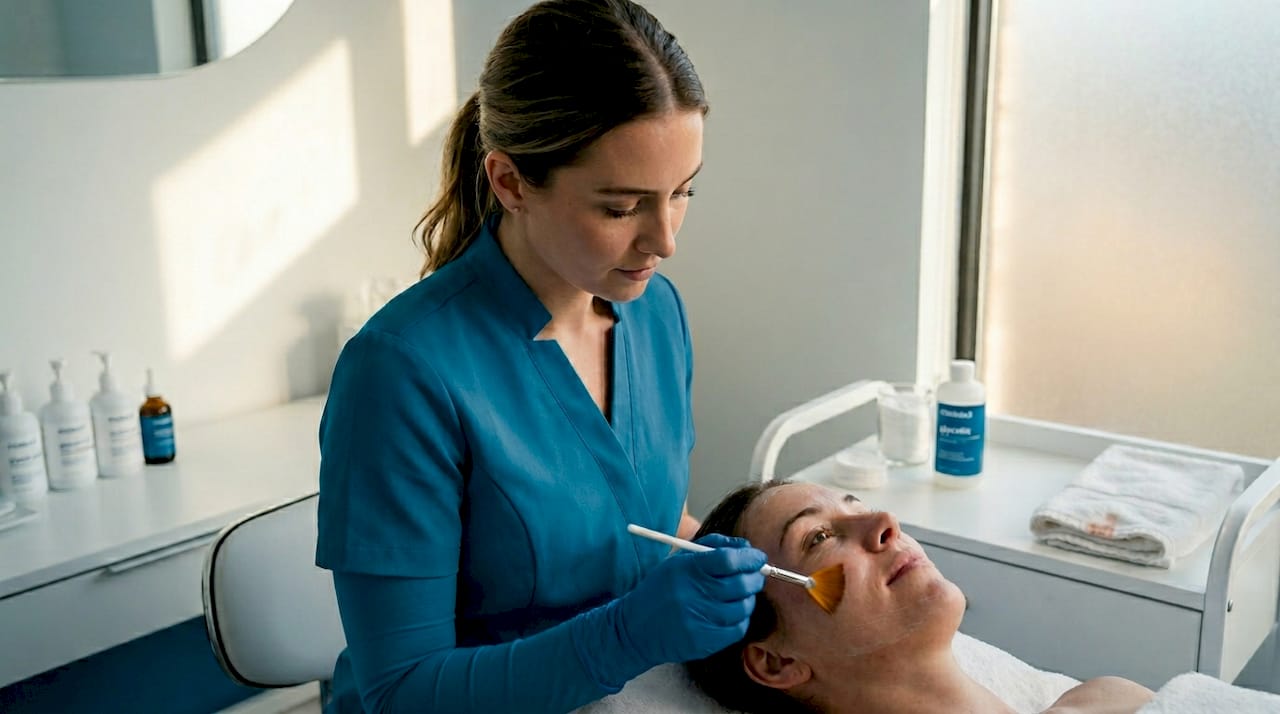
Superficial chemical peels using glycolic or lactic acid are considered reliable adjuncts to melasma treatment when combined with topical therapy and daily photoprotection. They work by accelerating cell turnover to push pigmented cells toward the surface and off the skin faster. The key word is “superficial.” Deeper peels like trichloroacetic acid (TCA) carry significantly higher PIH risk and require careful patient selection.
Laser therapy and IPL for skin spots
IPL and laser resurfacing work by delivering targeted energy to melanin deposits, fragmenting them so the body can clear them naturally. The results can be dramatic for isolated sun spots on lighter skin tones. However, conservative device parameters and strict photoprotection matter more than the device itself when it comes to melasma. A well-calibrated treatment by an experienced therapist will always outperform a high-powered session done carelessly.
Microdermabrasion and brightening facials
Microdermabrasion at a spa provides mechanical exfoliation that enhances product penetration and speeds up surface cell turnover. It works best as a complementary step rather than a standalone treatment for significant pigmentation. Brightening facials using medical-grade vitamin C, kojic acid, or tranexamic acid serums are low-risk options that work well between more intensive procedures to maintain results and support the healing process.
Pro Tip: If you’re being treated for melasma specifically, always ask your spa therapist to start at lower device settings on a test area before a full treatment session. The risk of PIH from energy-based devices can be significantly reduced with this simple precaution, especially for skin types IV and above.
Combining treatments and protecting results
Single treatments rarely deliver the full picture. The most effective approach to reducing dark spots at a spa involves layering compatible modalities and maintaining results with a structured aftercare plan.
Research now shows that combining IPL with topical tranexamic acid produced a 50.5% reduction in melasma severity scores versus 38.5% for IPL alone, with no added adverse effects. That gap is meaningful. It reflects a larger principle: procedural treatments work best when the skin’s biochemical environment is already being addressed topically.
Key aftercare practices that protect your investment:
Daily sunscreen without exception: Pigmentation is driven by UV and visible light exposure. Even brief, cumulative sun exposure without protection can undo months of treatment.
Gentle skincare post-procedure: Stick to fragrance-free, non-irritating formulas for at least two weeks after any peel, laser, or microneedling session.
Scheduled maintenance visits: Melasma in particular is a chronic condition that requires long-term management combining topical maintenance, photoprotection, and selected procedural therapies. One treatment course is rarely the end of the story.
Monitor for side effects: Mild redness and temporary darkening after treatment are expected. Persistent darkening or new spots forming should prompt an earlier follow-up with your therapist.
Track your triggers: Hormonal changes, heat, and sun exposure are the most common relapse triggers for melasma. Knowing yours helps you and your spa therapist time treatment sessions strategically.
For a broader look at sun protection as part of your overall pigmentation plan, this guide on skin protection strategies is worth bookmarking.
Understanding the full range of options also helps. This overview of skin discoloration treatments covers many of the same modalities in greater depth if you want to go further.
My honest take on what actually works
I’ve seen clients come in after years of frustration with pigmentation, having tried every serum, home peel, and light therapy device available online. The common thread isn’t that those products are useless. It’s that they were applied without a diagnosis, without preparation, and without a plan.
What consistently delivers results is a treatment sequence built around how the pigmentation actually behaves for that specific person. Melasma treated the same way as a cluster of sun spots will underperform at best, and flare at worst. I’ve watched clients experience a significant worsening after well-intentioned but poorly matched treatments, precisely because the priming and parameters weren’t right for their skin tone.
The hardest thing to convince people of is patience. Combining topical agents with procedural treatments takes time to show its full effect, often three to six months before you see the clearest picture. Clients who stay consistent, protect their skin religiously, and follow their therapist’s guidance are the ones who get the results they came in for. Those who push for aggressive settings or skip aftercare rarely sustain the improvement.
The psychological shift I see when someone’s complexion finally evens out is one of the most rewarding parts of this work. Confidence changes. People stop avoiding photos, stop covering themselves under heavy foundation, stop thinking about their skin every time they look in the mirror. That’s the real outcome worth optimizing for.
— Lux
Ready to start your treatment plan at Luxveritae?
At Luxveritae, every hyperpigmentation treatment begins with a personalized skin assessment, not a generic facial menu. The approach here combines medical-grade spa treatments with topical protocols tailored to your pigmentation type and skin tone, whether you’re dealing with melasma, post-acne marks, or sun damage.
Luxveritae’s treatment packages are designed to pair procedural therapies with the topical priming and aftercare regimens that actually make results stick. You can review the full range of available treatment packages and find a plan that fits your skin goals and schedule. If you’ve been waiting for a reason to take the step from frustration to real change, a consultation is the right first move.
FAQ
What types of hyperpigmentation can a spa treat?
Spas can address melasma, post-inflammatory hyperpigmentation, and sun spots using treatments like chemical peels, IPL, microneedling, and brightening facials. Treatment selection depends on the pigmentation type and your skin tone.
How many spa sessions does it take to see results?
Most clients see noticeable improvement after three to six sessions, depending on the condition’s severity and the treatment combination used. Melasma typically requires ongoing maintenance beyond an initial treatment course.
Is it safe to get laser treatments for hyperpigmentation on darker skin?
Yes, but it requires careful patient selection, conservative device settings, and skin priming beforehand. PIH is the most common adverse effect of energy-based devices in skin of color, and it is manageable with proper protocols.
What is the best spa treatment for melasma specifically?
Melasma management should combine photoprotection, topical lightening agents, and superficial chemical peels or carefully applied IPL. No single treatment is sufficient on its own.
Can I treat hyperpigmentation at home between spa visits?
Yes, and it’s encouraged. Daily broad-spectrum tinted sunscreen, tranexamic acid or niacinamide serums, and gentle exfoliation between sessions help maintain results and support the work done in the treatment room.
Recommended
Comments