


Medical Spa vs Traditional Spa: Key Differences Explained

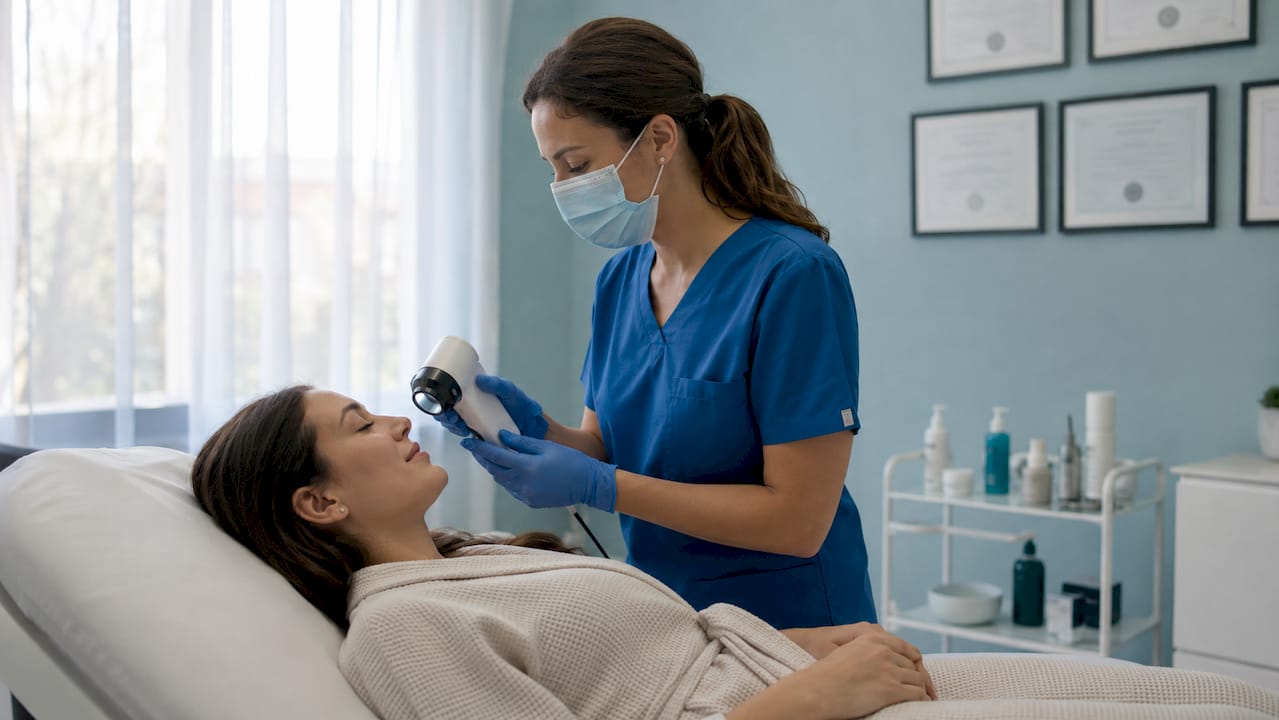
A medical spa is a licensed medical facility that delivers non-invasive aesthetic treatments under physician oversight, while a traditional spa is a wellness venue focused on relaxation and surface-level skin care without clinical supervision. Understanding the medical spa vs traditional spa differences matters because choosing the wrong setting for your goals can mean wasted money, inadequate results, or real safety risks. The American Med Spa Association defines medical spas as operating with physician oversight, skilled healthcare professionals, and medical standards while maintaining a relaxing environment. That combination of clinical rigor and comfort is what separates them from every other spa category.
1. What treatments do medical spas vs traditional spas offer?
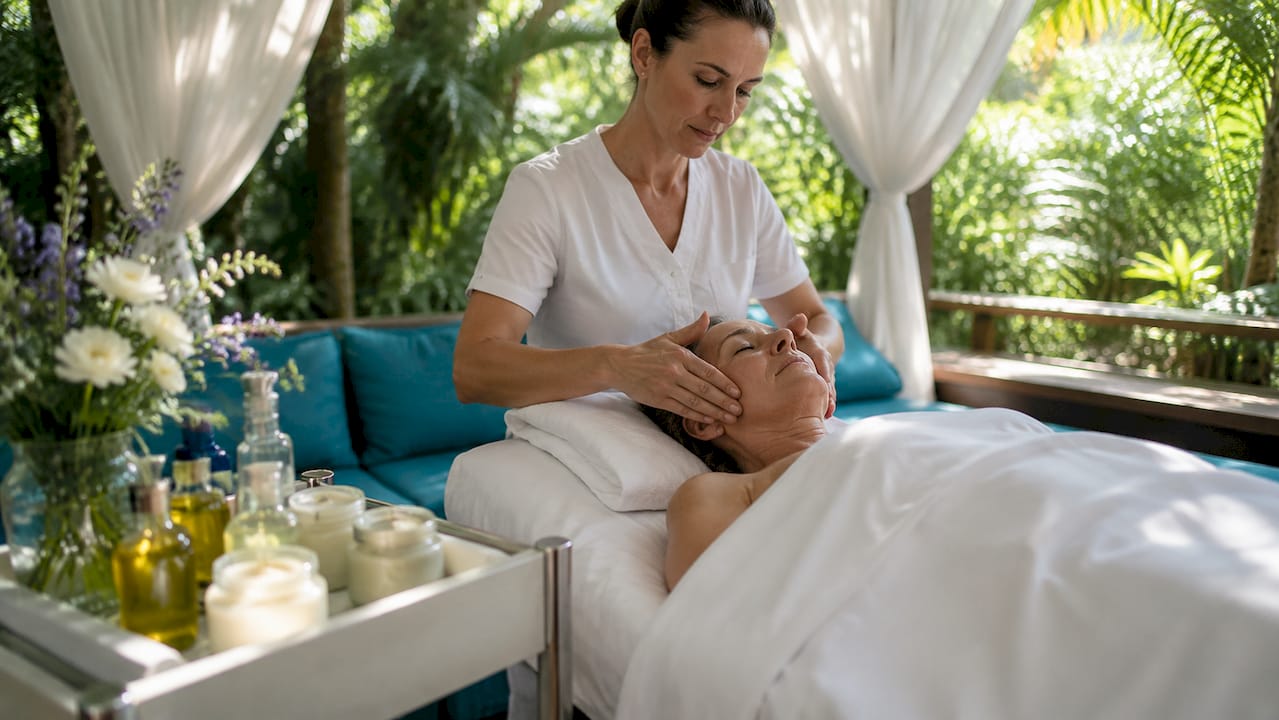
Medical spa services include procedures that work beneath the skin’s surface and affect living tissue. Traditional spa treatments stay at the surface and prioritize comfort over correction.
Medical spa treatments include:
Neuromodulators like Botox and Dysport for wrinkle reduction
Dermal fillers such as Juvederm and Restylane for volume restoration
Laser therapies for hair removal, pigmentation, and skin resurfacing
Microneedling with or without platelet-rich plasma (PRP)
Body contouring devices like CoolSculpting and Emsculpt
Chemical peels at medical-grade concentrations
Traditional spa treatments include:
Swedish, deep tissue, and hot stone massage
Facials focused on cleansing, hydration, and temporary glow
Body scrubs, wraps, and aromatherapy
Manicures, pedicures, and waxing
The treatment goals differ just as sharply as the service lists. Medical spa procedures deliver lasting correction and rejuvenation that can last months or years. Traditional spa treatments produce a temporary glow and genuine stress relief, but the results fade within days.
Pro Tip: Before booking any treatment, ask the provider specifically which layer of tissue the procedure targets. If the answer involves anything below the epidermis, you need a medical spa setting with licensed clinical oversight.
2. Who staffs medical spas versus traditional spas?
Staff qualifications are the single clearest line between the two spa types. Medical spas employ or operate under the supervision of licensed physicians, nurse practitioners (NPs), or physician assistants (PAs). Traditional spas staff licensed aestheticians, massage therapists, and wellness providers who hold no medical credentials.
Medical spa staff typically include:
Medical directors (MD, DO, or equivalent)
Registered nurses (RNs) and nurse injectors
Nurse practitioners and physician assistants
Licensed aestheticians performing non-medical treatments under clinical supervision
Traditional spa staff typically include:
Licensed aestheticians
Certified massage therapists
Nail technicians and waxing specialists
Per AmSpa’s regulatory guidance, many states legally designate medical spa treatments as the practice of medicine, which means a supervising physician must be documented and accountable for clinical decisions. That supervision structure does not exist at a traditional spa because no medical procedures are performed there.
The medical director role is not ceremonial. This person is legally responsible for treatment protocols, prescribing authority, and patient safety standards at the facility. At a traditional spa, no equivalent accountability structure exists.
Pro Tip: Ask any medical spa to name their medical director and describe how supervision is documented for your specific treatment. A legitimate facility answers this question without hesitation.
3. How safety standards and regulations differ
Med spa safety standards are governed by state medical practice laws, not just general business licensing. Traditional spas operate under cosmetology and wellness regulations, which carry far fewer clinical requirements.
Feature | Medical Spa | Traditional Spa |
Regulatory body | State medical board | State cosmetology board |
Required consultation | Face-to-face medical evaluation | None required |
Prescribing authority | Licensed MD, NP, or PA | Not applicable |
Equipment standards | Medical-grade devices | Cosmetic-grade devices |
Treatment documentation | Clinical records required | Not required |
Patients should expect a face-to-face consultation with a medical provider before receiving any medical spa treatment. This step is not optional. It protects you from receiving treatments you are not a candidate for and establishes a clinical record of your health history.
One nuance worth knowing: a physician does not need to be physically present during every procedure at a medical spa. What matters is that physician oversight applies at the evaluation and prescribing stages, and that supervision is documented. The hands-on treatment may be performed by a trained RN or PA working within their licensed scope.
The practical implication is significant. If a facility offering Botox or laser treatments does not require a medical consultation before your appointment, that is a compliance red flag, not a convenience.
4. What the cost difference actually reflects
Day spa visits range from $50 to $200, while medical spa visits typically cost between $200 and $2,500 or more depending on the procedure. That price gap reflects real differences in equipment, staff credentials, and clinical oversight, not just branding.
Typical medical spa pricing by treatment:
Botox: $300 to $600 per session
Laser hair removal: $200 to $900 per session depending on area
Microneedling: $300 to $700 per session
Body contouring: $750 to $2,500 per session
Typical traditional spa pricing:
Swedish massage (60 min): $70 to $130
Hydrating facial: $75 to $150
Body scrub or wrap: $90 to $180
Medical treatments also require a different time commitment. Most procedures involve an initial consultation, a treatment session, and scheduled follow-ups spaced monthly to quarterly. Some treatments like laser resurfacing or a series of microneedling sessions require three to six appointments to achieve full results. Traditional spa visits are self-contained. You book, you go, you leave relaxed.
Downtime is another practical cost. A traditional facial leaves you glowing immediately. A fractional laser treatment may leave your skin red and peeling for five to seven days. That recovery window is the price of clinical results, and it is worth factoring into your calendar before booking.
5. When to choose a medical spa versus a traditional spa
Medical spas deliver clinical results that last months or years. Traditional spas deliver relaxation and a temporary skin boost. Choosing between them depends entirely on what you actually want to achieve.
Choose a traditional spa when you want to:
Decompress from stress with zero downtime
Maintain skin hydration and surface health between clinical treatments
Enjoy a pampering experience as a gift or self-care ritual
Prepare skin with basic exfoliation before a special event
Choose a medical spa when you want to:
Reduce fine lines and wrinkles with Botox or fillers
Address hyperpigmentation, acne scars, or uneven texture with non-surgical skin treatments
Remove unwanted hair permanently with laser technology
Reduce stubborn fat deposits that do not respond to diet or exercise
Restore volume or correct facial asymmetry with injectables
The most effective approach is to use both spa types in a planned sequence. A traditional spa facial maintains your skin between medical treatments. Microneedling at a medical spa corrects texture that no facial can touch. These are not competing options. They are complementary tools.
Pro Tip: Bring a list of your current skincare products and any medications to your first medical spa consultation. Drug interactions and active ingredients like retinoids can affect treatment eligibility and timing.
6. How to evaluate any spa before you book
Knowing the differences between spa types is only useful if you can verify what a specific facility actually offers. Marketing language is not a reliable guide. Facilities sometimes use the word “spa” loosely, and the term “medical spa” is not uniformly protected across all states.
Start with the medical spa consultation process. A legitimate medical spa requires an in-person evaluation before treatment, not just an online intake form. If a facility allows you to book Botox or laser treatments without any clinical evaluation, that is a warning sign regardless of how polished the website looks.
Check the facility’s licensing. Medical spas should be able to name their supervising physician and describe how prescriptions and treatment protocols are managed. Ask whether the person performing your treatment is a licensed medical professional or a cosmetologist working under supervision. Both can be appropriate depending on the treatment, but you deserve a clear answer.
Review before-and-after photos critically. Medical spa results should show measurable, lasting changes in skin texture, volume, or pigmentation. Traditional spa results are not typically documented this way because the outcomes are temporary by design.
Key takeaways
Medical spas and traditional spas serve fundamentally different purposes: one delivers clinically supervised, lasting aesthetic correction, and the other provides relaxation and temporary skin maintenance.
Point | Details |
Treatment scope defines the difference | Medical spas treat living tissue with injectables and lasers; traditional spas address surface skin and relaxation only. |
Staff credentials determine safety | Medical spas require physician oversight and licensed clinical staff; traditional spas employ aestheticians and massage therapists. |
Consultations are non-negotiable | Any legitimate medical spa requires a face-to-face medical evaluation before treatment begins. |
Cost reflects clinical value | Medical spa treatments range from $200 to $2,500 or more, reflecting equipment, expertise, and lasting results. |
Both types complement each other | Traditional spa treatments maintain skin health between medical procedures for optimal long-term outcomes. |
What I’ve learned from watching clients choose the wrong spa
The most common mistake I see is clients booking a medical spa treatment because the facility looks luxurious, without ever confirming who is actually performing the procedure or whether a physician is involved in their care. Atmosphere is not a proxy for clinical legitimacy. A beautifully designed reception area and a menu of impressive-sounding treatments tell you nothing about the supervision structure behind them.
The second mistake runs in the opposite direction. Some clients dismiss medical spas entirely because they assume the clinical setting will feel cold or impersonal. That assumption costs them years of results they could have had. A well-run medical spa feels just as welcoming as a traditional day spa. The difference is that the person treating you has the credentials to do something that actually lasts.
What I tell every client is this: match the setting to the goal. If you want to relax and refresh, a traditional spa delivers that beautifully. If you want to correct something, correct it properly with the right clinical team. Trying to get medical results from a traditional spa is like expecting a general practitioner to perform surgery. The environment matters less than the expertise behind it.
The safety checklist for 2026 I recommend to every new client covers exactly what to ask before booking any aesthetic treatment. Use it.
— Lux
Experience medical-grade results at Luxveritae
Luxveritae combines the clinical precision of a medical spa with the personalized care of a luxury skin studio. Every treatment plan starts with a thorough consultation, and every procedure is performed by certified professionals trained in paramedical techniques and advanced aesthetics.

Whether you are exploring BB Glow for semi-permanent skin tone improvement, scar camouflage for lasting coverage, or microblading for natural-looking brow definition, Luxveritae has a treatment designed for your specific skin goals. Browse the full range of services and find the right starting point for your skin on the Luxveritae pricing page.
FAQ
What is a medical spa, exactly?
A medical spa is a hybrid facility that delivers non-invasive aesthetic medical treatments under licensed physician oversight, combining the clinical standards of a medical practice with a relaxing spa environment. The American Med Spa Association defines them by their use of physician oversight, skilled healthcare professionals, and medical-grade procedures.
Are medical spa treatments safe?
Medical spa treatments are safe when performed at a properly supervised facility that requires a face-to-face medical consultation before treatment. The key risk factor is receiving medical procedures at facilities that lack documented physician oversight or skip the clinical evaluation step.
Do I need a doctor’s referral to visit a medical spa?
No referral is required, but a face-to-face consultation with a licensed medical provider at the facility is standard practice before any treatment begins. This evaluation replaces the referral process and protects you as a patient.
Can traditional spa facials replace medical spa treatments?
Traditional spa facials maintain surface skin health and provide relaxation, but they cannot replicate the structural corrections that medical treatments like microneedling, lasers, or injectables deliver. The two approaches address different layers of skin and serve different goals.
How do I know if a spa is a legitimate medical spa?
Ask for the name of the supervising physician, confirm that a clinical consultation is required before treatment, and verify that the staff performing medical procedures hold active medical licenses. A legitimate medical spa answers all three questions clearly and without hesitation.
Recommended
Comments