


What Is Laser Skin Resurfacing? Your 2026 Guide

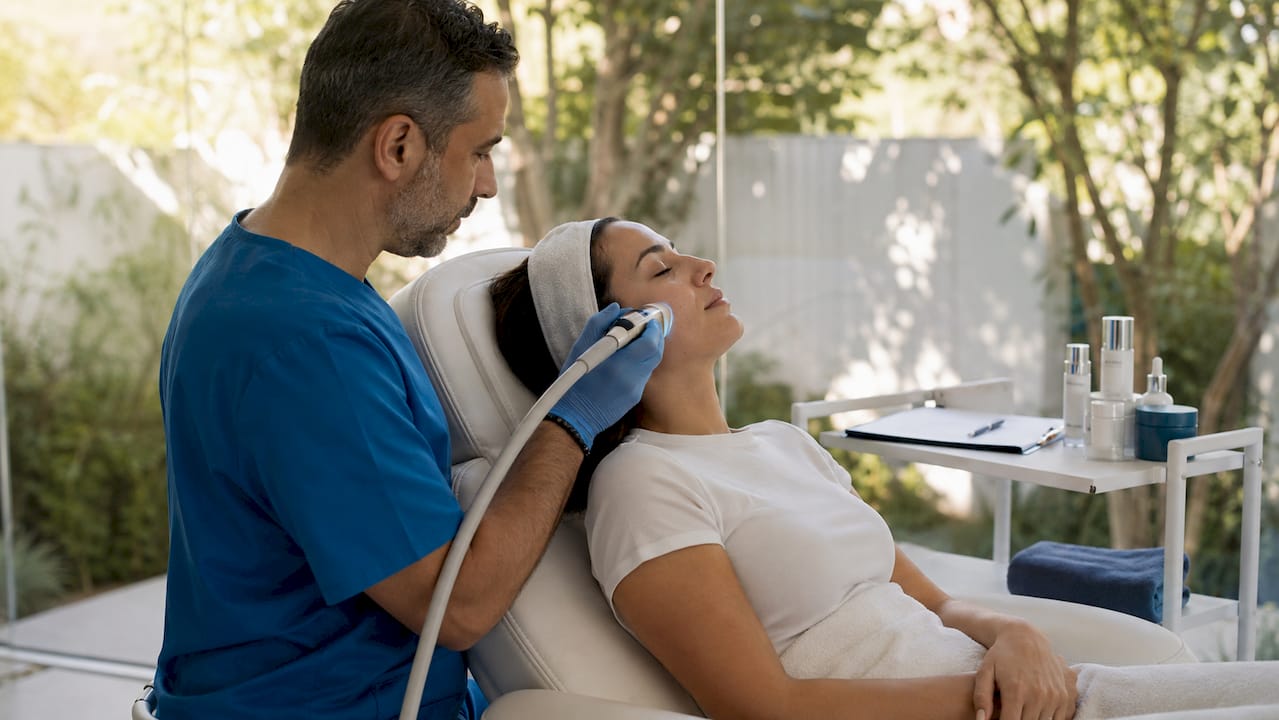
Laser skin resurfacing is a cosmetic procedure that uses concentrated light energy to remove damaged outer skin layers and stimulate collagen production beneath the surface. The result is smoother texture, reduced scarring, and more even skin tone. Dermatologists and licensed aestheticians use technologies like CO2 lasers, Erbium lasers, and fractional laser systems to treat wrinkles, acne scars, sun damage, and uneven pigmentation. Understanding what laser skin resurfacing involves, from treatment types to recovery timelines, helps you decide whether it fits your skin goals and lifestyle.
What is laser skin resurfacing and how does it work?
Laser skin resurfacing works by removing damaged skin layers and triggering the body’s natural collagen production for healthier skin renewal. Collagen is the protein that keeps skin firm and plump. When laser energy heats the deeper dermis, it signals the body to rebuild that structure from the inside out.
The procedure is performed in a clinical or spa setting. A provider passes a handheld laser device over the treatment area in controlled passes. Depending on the laser type and the depth of skin damage being addressed, the session can last anywhere from 30 minutes to two hours.
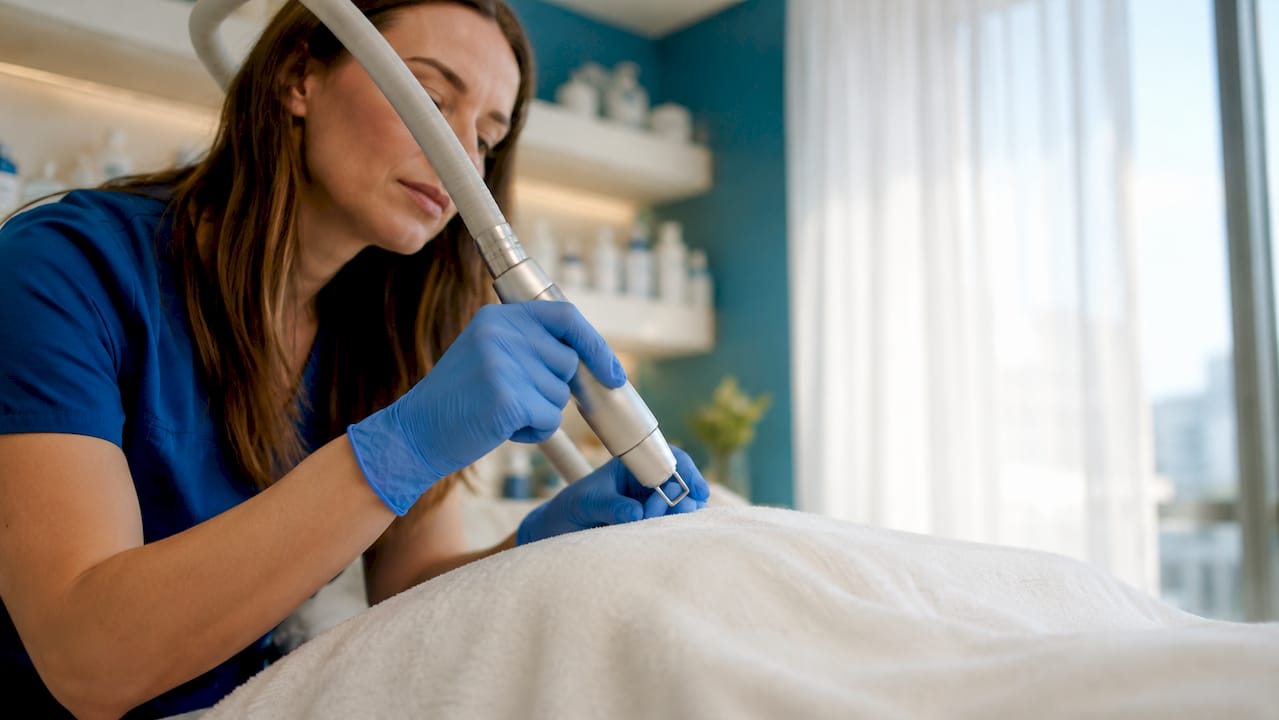
The industry term for this process is laser skin resurfacing, though you may also hear it called laser skin rejuvenation or laser skin therapy. All three phrases describe the same core mechanism: controlled thermal injury that prompts the skin to repair and renew itself.
What types of laser skin resurfacing are available?
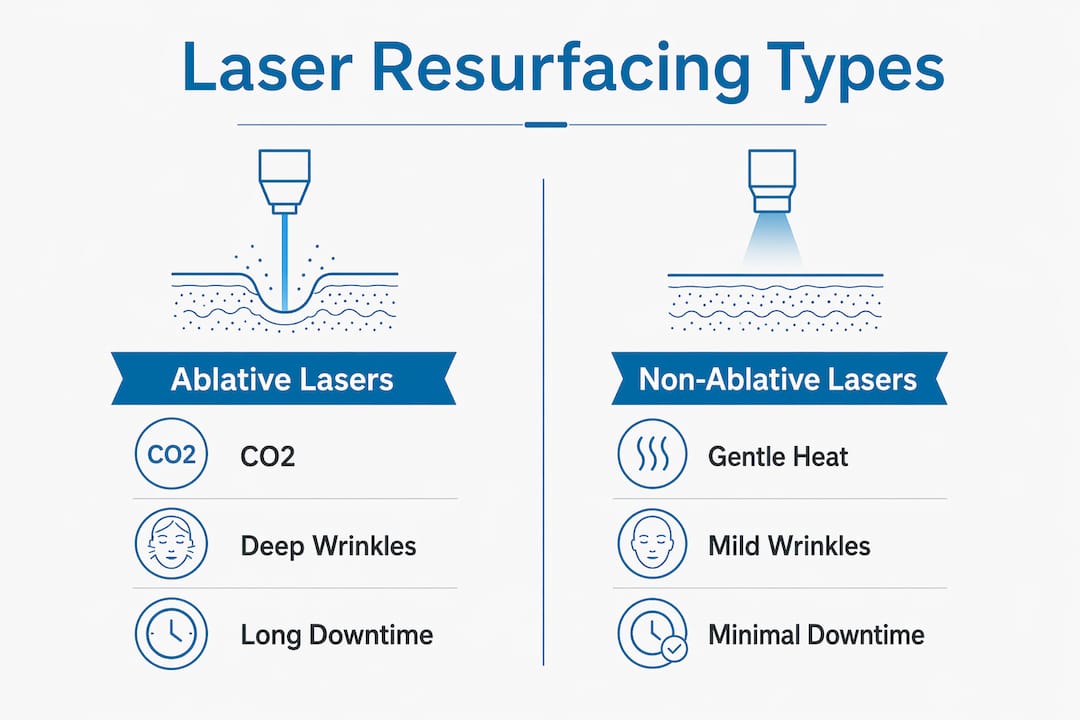
Three main categories of laser treatment exist: ablative, non-ablative, and fractional. Each targets skin differently and carries its own recovery profile.
Ablative lasers physically remove the outer skin layer. CO2 lasers are the most aggressive and deliver the most dramatic results for deep wrinkles and significant scarring. Erbium lasers are slightly gentler and better suited for moderate surface concerns. Ablative CO2 lasers produce the most dramatic improvements for deep wrinkles and scars but require 7–10 days of social downtime.
Non-ablative lasers heat the dermis without removing the surface layer. They cause less visible disruption and require little to no downtime, but the results are more gradual and subtle.
Fractional lasers split the beam into thousands of microscopic columns. Fractional ablative lasers treat columns of skin while leaving surrounding tissue intact, enabling faster healing and deep collagen stimulation. This makes fractional technology a preferred option for patients with atrophic acne scars and texture concerns who cannot afford extended recovery time.
Laser type | Best for | Downtime | Sessions needed |
Ablative CO2 | Deep wrinkles, severe scars | 7–10 days | Usually 1 |
Ablative Erbium | Moderate lines, surface texture | 4–7 days | Usually 1 |
Fractional ablative | Scars, texture, moderate aging | 3–5 days | 1–3 |
Non-ablative | Mild tone, early aging | Minimal | 2–4 |
Non-ablative and fractional treatments typically require 2–4 sessions over weeks or months, while aggressive ablative treatments often yield major results in a single session. That trade-off between convenience and intensity is the central decision most patients face.
Pro Tip: If you have a medium to deep skin tone, always request a provider who has specific experience with the Fitzpatrick scale. The wrong laser setting on darker skin can cause more harm than the original concern.
What benefits can laser skin resurfacing offer?
Laser skin resurfacing addresses a wide range of cosmetic concerns in a single treatment category. The benefits go beyond surface-level smoothing.
Key improvements patients report include:
Reduction in fine lines and deep wrinkles around the eyes and mouth
Visible softening of acne scars and surgical scars
Evening of skin tone affected by sun damage or hyperpigmentation
Tighter, firmer skin due to new collagen formation
Improved texture in areas with rough, uneven, or thin skin
Reduction in the appearance of age spots and brown patches
Collagen remodeling continues for months after the procedure. That means results often improve gradually over three to six months, not just in the weeks immediately following treatment.
The average cost of laser skin resurfacing is about $1,800, with prices starting at a few hundred dollars depending on treatment type and extent. That range reflects the significant difference between a single non-ablative session and a full-face CO2 resurfacing. For patients treating skin discoloration concerns, laser resurfacing is one of the most direct clinical options available.
The benefits of non-surgical skin treatments extend beyond aesthetics. Patients consistently report increased confidence and satisfaction with their skin’s overall health after completing a laser treatment series.
What to expect during the procedure and recovery
The procedure begins with a thorough skin cleansing and the application of a topical numbing cream. For deeper ablative treatments, a provider may use local anesthesia. General anesthesia is rare but possible for extensive full-face procedures.
During the session, you will feel warmth and a mild stinging sensation. The provider works in sections, and most patients tolerate the experience well with topical numbing in place. After the session, the treated area will appear red and feel similar to a moderate sunburn.
Recovery timelines vary by laser type:
Days 1–3: Redness, swelling, and skin weeping are normal after ablative treatments. Keep the area moist and avoid sun exposure entirely.
Days 4–7: Skin begins to peel and flake. Erbium laser recovery typically completes within 4–7 days, while CO2 laser recovery takes 7–10 days.
Weeks 2–4: New skin forms and redness fades. Mineral-based SPF is non-negotiable during this phase.
Months 1–3: Collagen continues to build. Full skin restoration after ablative treatment can take up to three months.
Prophylactic antiviral medication is necessary before resurfacing for patients with a history of cold sores. Laser energy can reactivate the herpes simplex virus, and an outbreak during healing significantly increases infection risk. Any reputable provider will ask about this history during your consultation.
Pro Tip: Start a simplified skin care routine at least two weeks before your procedure. Clean, well-hydrated skin heals faster and responds better to laser treatment.
Who is a good candidate for laser skin resurfacing?
Laser skin resurfacing suits most adults between 25 and 65 who have realistic expectations and no active skin infections. The ideal candidate has one or more of the following concerns: fine lines, acne scars, sun damage, uneven texture, or loose skin around the eyes and mouth.
Certain factors increase risk and require careful evaluation:
Skin tone: Darker skin tones carry a higher risk of hypopigmentation from CO2 lasers. A personalized consultation is critical for safety. Fractional and non-ablative options are generally safer for Fitzpatrick skin types IV through VI.
Active acne: Treating skin with active breakouts increases infection risk. Providers typically require clear skin before scheduling ablative procedures.
Recent retinoid or isotretinoin use: Isotretinoin (commonly known as Accutane) thins the skin and impairs healing. Most providers require a waiting period of at least six months after stopping isotretinoin before performing ablative laser treatment.
Pregnancy: Laser resurfacing is not recommended during pregnancy.
History of keloid scarring: Patients who form raised scars may not respond predictably to ablative treatments.
Johns Hopkins Medicine stresses the need for personalized consultation to reduce risks and achieve the best outcomes, especially for patients with darker skin tones or complex skin conditions. For those managing hyperpigmentation alongside texture concerns, understanding how to treat hyperpigmentation before and after laser treatment is part of a complete care plan.
Preparing your skin properly before any laser procedure also matters. Reviewing a skin prep checklist before your appointment reduces the chance of complications and helps you get the most from your session.
Key takeaways
Laser skin resurfacing delivers measurable improvements in texture, tone, and firmness by removing damaged skin and triggering collagen production, but results depend entirely on choosing the right laser type for your skin.
Point | Details |
Three laser categories exist | Ablative, non-ablative, and fractional lasers each suit different concerns and recovery needs. |
CO2 lasers offer the most dramatic results | CO2 treatments require 7–10 days of downtime but often deliver major improvement in one session. |
Fractional lasers balance results and recovery | Fractional technology spares surrounding skin, speeding healing while still stimulating deep collagen. |
Cost starts around $1,800 on average | Prices vary widely based on laser type, treatment area, and provider expertise. |
Darker skin tones need specialized care | CO2 lasers carry a higher hypopigmentation risk for deeper skin tones; fractional options are safer. |
What I’ve learned from watching laser technology evolve
The most common mistake I see is patients choosing a laser treatment based on price or convenience rather than skin type and concern. A non-ablative session is not a watered-down version of CO2 resurfacing. They are different tools for different problems, and using the wrong one wastes money and time.
The other pattern worth naming: people underestimate recovery. Ablative CO2 resurfacing is not a “lunchtime procedure.” You will look raw for a week, and your skin will be sensitive for months. Patients who go in prepared for that reality are far more satisfied than those who expect to be back at work in two days.
Fractional laser technology has genuinely changed what is possible for patients with acne scarring. Five years ago, the only way to address deep atrophic scars was with aggressive ablative treatment and a long recovery. Fractional systems now deliver comparable collagen remodeling with significantly less downtime. That is a real advancement, not marketing language.
My strongest advice: find a provider who asks more questions than they answer in your first consultation. A good clinician will want to know your skin history, your medications, your lifestyle, and your goals before recommending anything. If someone quotes you a treatment plan in the first five minutes, walk out.
— Lux
Explore personalized laser skin treatments at Luxveritae
At Luxveritae, every skin treatment starts with a real conversation about your skin, your goals, and what will actually work for your complexion. The team at Lux Veritae Skin Spa specializes in personalized skin rejuvenation, combining advanced techniques with a careful, artistry-driven approach that keeps results looking natural.
Whether you are addressing acne scars, sun damage, or early signs of aging, the right treatment plan makes all the difference. Luxveritae offers a range of skin treatments and booking options tailored to your individual skin type and lifestyle. Book a consultation today and get a clear, honest plan built around your skin, not a generic protocol.
FAQ
What is the difference between ablative and non-ablative laser?
Ablative lasers remove the outer skin layer for dramatic results with more downtime, while non-ablative lasers heat the dermis without surface removal and require little recovery time. Ablative treatments typically deliver results in one session; non-ablative treatments usually need 2–4 sessions.
How long does laser skin resurfacing last?
Results from ablative laser resurfacing can last several years, especially with consistent sun protection and a solid skin care routine. Non-ablative results are more gradual and may require maintenance sessions annually.
Is laser skin resurfacing safe for darker skin tones?
CO2 lasers carry a higher risk of hypopigmentation for deeper skin tones, so fractional or non-ablative options are generally recommended. A qualified provider will assess your Fitzpatrick skin type before recommending any laser treatment.
How much does laser skin resurfacing cost?
The average cost is about $1,800, though prices start at a few hundred dollars for lighter non-ablative sessions. The final cost depends on the laser type, the size of the treatment area, and the provider’s expertise.
Can I wear makeup after laser skin resurfacing?
Most providers advise waiting at least 7–10 days after ablative treatment before applying makeup. Applying products too early on healing skin increases infection risk and can disrupt the recovery process.
Recommended
Comments