


Laser Resurfacing: Skin Concerns Addressed in 2026


Laser resurfacing is a cosmetic procedure that removes damaged skin layers and stimulates new cell growth to produce smoother, tighter, and more even skin. It is one of the most effective skin treatment options available for adults dealing with wrinkles, acne scars, discoloration, and uneven texture. Institutions like Penn Medicine and UVA Health recognize laser resurfacing as a clinically sound approach to a wide range of skin concerns. With multiple laser technologies now available, laser resurfacing skin concerns addressed span far more conditions than most people realize.
1. What skin concerns does laser resurfacing effectively treat?
Laser resurfacing treats multiple skin concerns by removing the outer damaged layer and triggering the body’s natural repair process. The result is fresher, more uniform skin with improved tone and texture. The range of conditions it addresses is broader than most people expect.
The most common skin issues laser can fix include:
Fine lines and wrinkles around the eyes, mouth, and forehead
Sun damage and age spots caused by years of UV exposure
Uneven skin tone and rough texture, including crepey or dull skin
Acne scars and other mild to moderate scarring
Redness, rosacea, and visible blood vessels
Dark spots, birthmarks, and pigmentation irregularities
Enlarged pores and persistently oily skin
Each of these concerns responds differently to laser energy. That is why treatment planning at a provider like Luxveritae starts with a thorough skin evaluation before any laser is selected.
Pro Tip: If you have both acne scars and active redness, tell your provider upfront. Treating both in one session is possible with the right laser combination, but only if your provider plans for it.
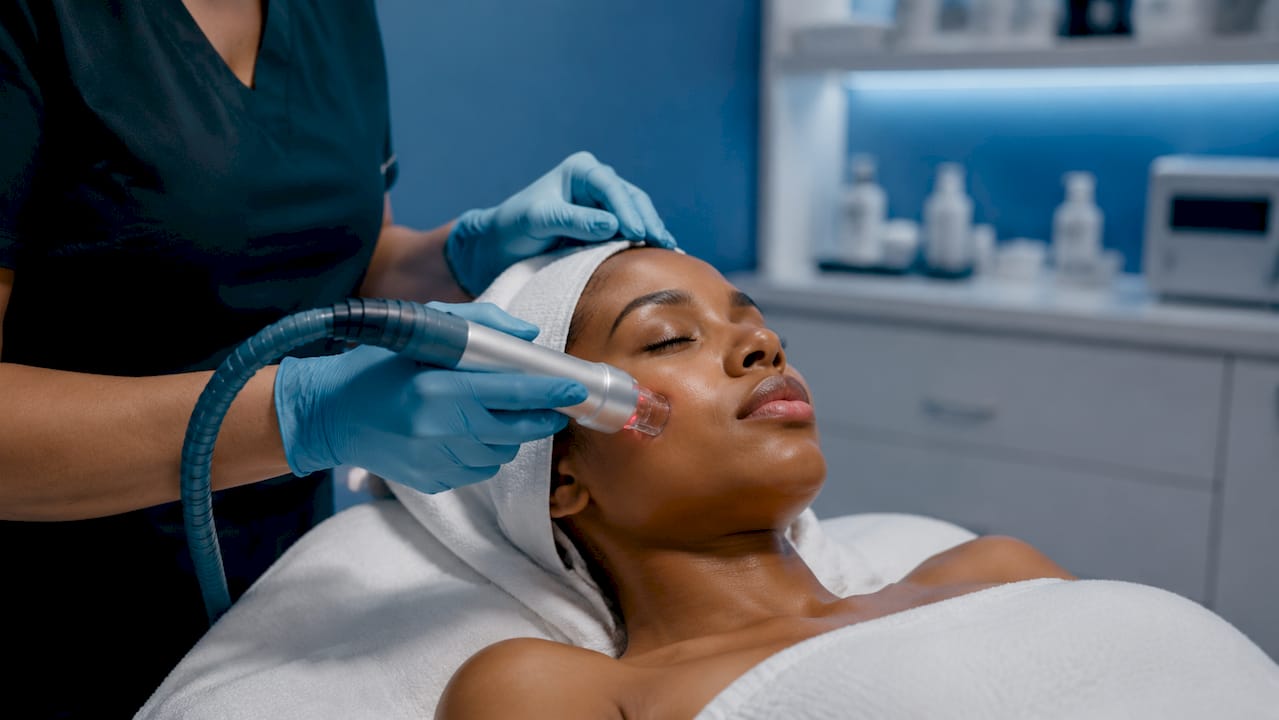
2. How different laser technologies target specific skin issues
No single laser treats every concern equally. Matching the laser technique to the specific skin issue is what separates good outcomes from great ones. Three main categories define the field.
Laser Type | How It Works | Best For | Downtime |
Ablative (CO2, Er:YAG) | Removes outer skin layer entirely | Deep wrinkles, scars, severe sun damage | Several weeks |
Non-ablative | Heats tissue without removing surface skin | Mild lines, early pigmentation, tone | A few days |
Fractional | Treats microscopic columns of skin, leaving surrounding tissue intact | Moderate scars, texture, collagen loss | 7–14 days |
Ablative lasers like CO2 deliver the most dramatic results. CO2 laser treatment removes the top skin layers, stimulates collagen, and effectively treats wrinkles, scars, and uneven tone. The tradeoff is a longer recovery period and a higher risk of pigmentation changes if not applied correctly.
Non-ablative lasers work below the surface without disturbing the outer layer. They are better suited for people who cannot afford significant downtime. Results are subtler and often require multiple sessions.
Fractional lasers sit between the two. Fractional laser resurfacing delivers strong results with shorter recovery than traditional full-field ablative lasers. Ablative fractional healing typically runs 7–14 days, while non-ablative fractional recovery often lasts just a few days.
Pro Tip: Darker skin tones carry a higher risk of pigmentation changes after ablative treatments. A provider experienced with diverse skin types will often recommend fractional or non-ablative options first.
3. Laser resurfacing for acne scars: what actually works
Acne scars are one of the most requested indications for laser resurfacing, and also one of the most nuanced. Shallow, rolling scars respond well to fractional and ablative lasers. Deep, tethered scars are a different story.
Many patients with deep acne scars require multimodal treatment plans that combine laser resurfacing with other techniques for the best outcomes. Subcision, fillers, or microneedling with radiofrequency are often used alongside laser to release scar tissue and restore volume. Laser alone rarely resolves ice-pick or boxcar scars completely.
The benefits of laser resurfacing for acne scars are real, but realistic expectations matter. Most people see meaningful improvement after one to three sessions, not total erasure. Collagen remodeling continues for months after treatment, so final results take time to appear.
4. What to expect during recovery after laser resurfacing
Recovery after laser resurfacing depends almost entirely on the laser type chosen. Ablative lasers require several weeks to months of healing, while non-ablative and fractional options have shorter recovery windows but may require multiple sessions for equivalent results.
Common symptoms during recovery include:
A mild sunburn sensation immediately after treatment
Redness lasting 3–5 days for lighter procedures
Swelling that peaks within 2–3 days and then subsides
Peeling, oozing, or crusting after ablative treatments
Sensitivity to sunlight for several weeks
After ablative laser treatments, skin can peel, ooze, or blister. Strict aftercare is critical. Picking at crusts or skipping sun protection can lead to infections, scarring, or lasting pigmentation changes. Pigment changes typically normalize over 2–3 months but can persist longer after deeper treatments.
The visible improvement from laser resurfacing continues to develop beyond the initial redness reduction phase, often up to three months, as collagen remodels the skin at deeper levels. Patients who expect instant results often underestimate how good their skin will look at the three-month mark.
5. Risks to know before your first laser treatment
Risks of laser resurfacing include hyperpigmentation, hypopigmentation, scarring (rare), and cold sore reactivation, along with expected redness and swelling. Skin discoloration risks require careful patient evaluation, especially for darker skin tones. These risks are manageable with the right provider and proper aftercare, but they are not zero.
Cold sore reactivation is a risk that surprises many people. If you have a history of oral herpes, your provider should prescribe antiviral medication before ablative treatment. Skipping this step can trigger a severe outbreak during the healing phase.
Hyperpigmentation is the most common lasting side effect. Strict post-laser aftercare, including sun protection during the vulnerable healing window, is the single most effective way to prevent it. A broad-spectrum SPF 30 or higher applied daily is non-negotiable during recovery. For more on managing pigment concerns after treatment, Luxveritae’s guide on treating hyperpigmentation covers the post-care essentials in detail.
6. How to choose the right laser treatment for your skin
Choosing the right laser resurfacing treatment starts with a professional evaluation. Laser resurfacing is typically performed by dermatologists or specialized centers who tailor laser choice and techniques based on individual patient needs and skin concerns. Matching laser type to skin type and treatment goals is what optimizes both results and safety.
Key factors that shape treatment selection include:
Skin tone: Darker tones require more conservative approaches to reduce pigmentation risk
Concern severity: Deeper wrinkles or scars call for ablative or fractional options
Downtime tolerance: Patients with demanding schedules often prefer non-ablative or fractional treatments
Lifestyle factors: Sun exposure habits and skincare routines affect healing speed
Medical history: Cold sore history, autoimmune conditions, and recent retinoid use all influence candidacy
Understanding your skin type and treatment needs before booking a session helps you have a more productive consultation. Providers who skip this evaluation and offer a one-size-fits-all protocol are a red flag.
7. Comparing laser resurfacing to other skin treatments
Laser resurfacing excels at improving texture, tone, and collagen stimulation. It outperforms chemical peels and microneedling for moderate to severe wrinkles and scarring. But it has clear limits.
Treatment | Best For | Limitations | Downtime |
Laser resurfacing | Wrinkles, scars, pigmentation, texture | Cannot fix severe sagging or deep folds | Days to weeks |
Chemical peel | Mild discoloration, surface texture | Less effective for deep scars | Days |
Microneedling | Mild scars, texture, early collagen loss | Slower results, multiple sessions needed | 1–3 days |
Surgery (facelift) | Severe sagging, deep folds | Invasive, longer recovery | Weeks to months |
Laser resurfacing is best for improving skin texture, tone, and fine lines, but it cannot tighten severely sagging skin or remove deep folds. Patients with significant jowling or deep nasolabial folds often need fillers or surgery for meaningful lifting. Laser works best on the surface and mid-layers of skin, not on structural laxity.
Newer technologies like CoolPeel, a CO2-based treatment designed for faster recovery, are expanding the options for people who want ablative-level results with less downtime. These options are worth discussing during a consultation if recovery time is a concern. For a broader view of non-surgical treatment benefits, the comparison between laser and other modalities is worth reading before your first appointment.
Key takeaways
Laser resurfacing addresses a wide range of skin concerns effectively, but results depend on matching the right laser type to the specific issue, skin tone, and lifestyle of each person.
Point | Details |
Laser treats many concerns | Wrinkles, scars, pigmentation, redness, and texture all respond to laser resurfacing. |
Laser type determines outcome | Ablative, non-ablative, and fractional lasers each suit different concerns and recovery needs. |
Recovery varies widely | Ablative treatments need weeks; non-ablative fractional options recover in days. |
Post-care prevents complications | Sun protection and avoiding irritation are critical to prevent hyperpigmentation after treatment. |
Deep scars need combined care | Tethered or ice-pick acne scars often require laser combined with subcision or fillers. |
What I’ve learned about laser resurfacing after years in the treatment room
The biggest mistake I see is people choosing a laser based on what a friend had done. Skin is individual. Two people with acne scars can need completely different approaches based on scar depth, skin tone, and healing history.
Downtime and treatment intensity should be matched to patient lifestyle and concerns for the best results. That sounds obvious, but I have seen too many people push for the most aggressive treatment because they want fast results, then struggle through a recovery they were not prepared for. A fractional treatment done twice often beats one ablative session that a patient cannot properly care for.
The other thing I want people to understand is the three-month rule. Collagen remodeling takes time. Patients who judge their results at week two are almost always disappointed. The patients who follow their aftercare and wait the full healing window are the ones who come back thrilled. Patience is not optional. It is part of the treatment.
— Lux
Personalized laser resurfacing at Luxveritae
Luxveritae offers customizable laser resurfacing packages designed around your specific skin concerns, tone, and lifestyle. Every treatment plan starts with a thorough consultation so the right laser technology is matched to your goals from the start.
The team at Luxveritae brings specialized experience in treating diverse skin types, with a focus on results that look natural and last. Whether you are addressing acne scars, sun damage, or early signs of aging, the approach is always personalized. Browse the full range of treatment packages or book your consultation directly online to get started.
FAQ
What skin concerns can laser resurfacing fix?
Laser resurfacing effectively treats fine lines, wrinkles, acne scars, sun damage, age spots, redness, rosacea, enlarged pores, and uneven skin tone and texture. The specific laser type used determines which concerns are addressed most effectively.
How effective is laser resurfacing for acne scars?
Laser resurfacing produces meaningful improvement for shallow and rolling acne scars, often within one to three sessions. Deep, tethered scars typically require a combined approach using laser alongside subcision or fillers for the best results.
What should I expect during laser resurfacing recovery?
Expect redness, swelling, and peeling for several days to weeks depending on the laser type. Full collagen remodeling and final results develop over approximately three months after treatment.
Is laser resurfacing safe for darker skin tones?
Laser resurfacing carries a higher risk of pigmentation changes for darker skin tones. Non-ablative and fractional lasers are generally safer options, and an experienced provider will evaluate your skin carefully before recommending any treatment.
How does laser resurfacing compare to chemical peels?
Laser resurfacing outperforms chemical peels for moderate to severe wrinkles, scars, and deeper pigmentation issues. Chemical peels work well for surface-level discoloration and mild texture concerns but cannot match laser depth or collagen stimulation.
Recommended
Comments